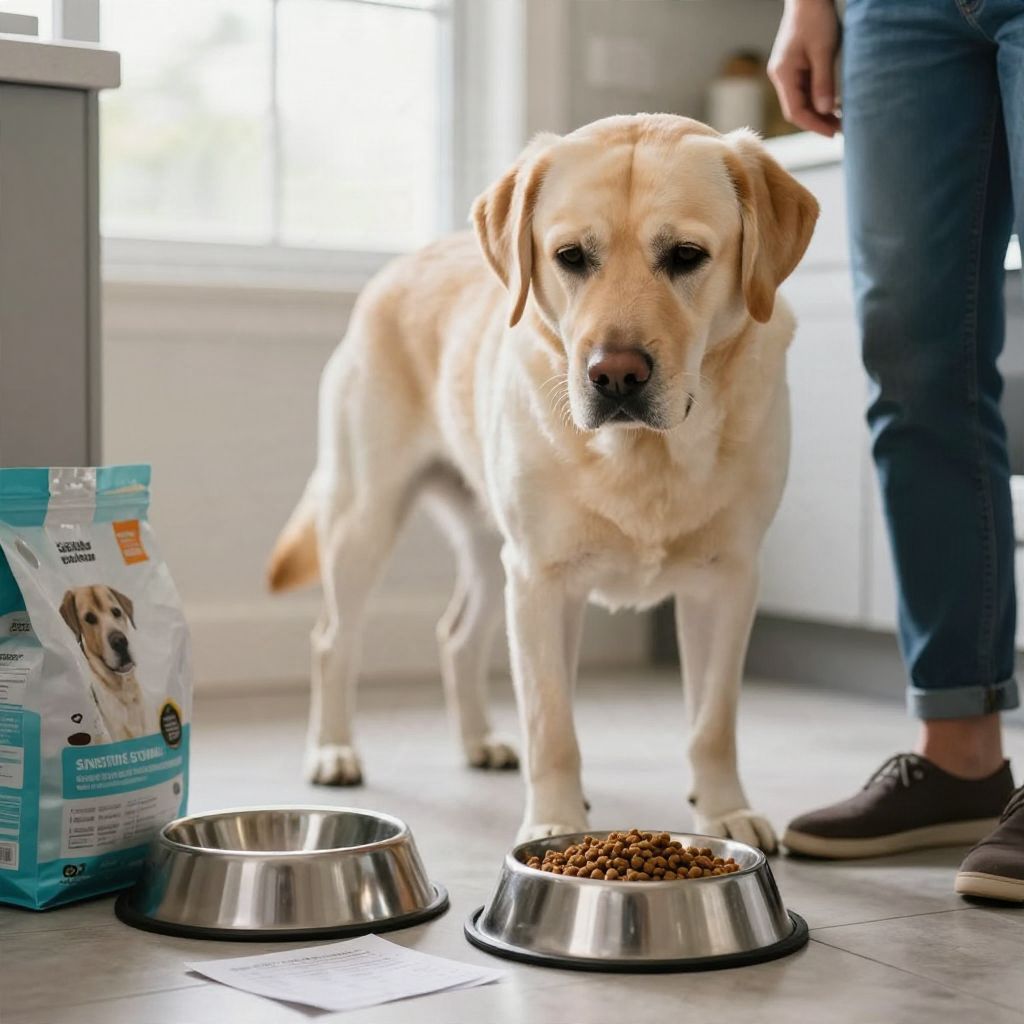
If you’re asking, “Why is my dog farting so much?” the answer is usually diet, swallowed air, or an upset digestive tract. Occasional gas is normal, but frequent, very smelly, or sudden gas can point to a food intolerance, eating habits, or a health problem that needs attention.
Most dogs improve with simple changes like slower feeding, better portion control, and a more digestible diet. If your dog also has vomiting, diarrhea, pain, bloating, or a change in appetite, contact your veterinarian promptly.
Why is my dog farting so much?
Excessive dog gas usually happens when food is not digesting well, when your dog swallows extra air, or when the gut is irritated by a diet change, table scraps, or illness. If the gas is new, persistent, or comes with other symptoms, your veterinarian should help rule out a medical cause.
Common causes of excessive gas in dogs
Diet is the most common trigger
Many dogs fart more when they eat foods that are hard to digest or that increase fermentation in the intestines. Rich treats, sudden diet changes, and foods that are high in fat or certain fibers can all contribute.
- New food introduced too quickly
- Low-quality or very rich diets
- Table scraps and greasy leftovers
- Too many treats or chews
- Food sensitivities or intolerances
Eating too fast
Dogs that gulp their meals often swallow air, which can lead to burping, flatulence, and sometimes mild stomach upset. This is common in dogs that are highly food-motivated, live with other pets, or feel rushed at mealtimes.
Food intolerance or sensitivity
Some dogs do poorly with specific ingredients, even if those ingredients are safe for most dogs. Common triggers can include certain proteins, dairy, or ingredients that do not agree with that individual dog.
Food intolerance is not always the same as a true allergy. Your veterinarian may suggest a careful diet trial if the gas keeps happening or if your dog also has itching, soft stool, or chronic ear issues.
Intestinal parasites or other digestive disease
Parasites, bacterial imbalance, inflammatory bowel disease, pancreatic problems, and other digestive disorders can all cause extra gas. These are more likely if the farting is paired with diarrhea, weight loss, vomiting, or a poor appetite.
Swallowing air from stress or excitement
Some dogs gulp air when they are anxious, overexcited, or panting heavily. This can happen during car rides, after exercise, or in noisy environments. Gas from swallowed air may be worse in dogs that are nervous or that eat while stressed.
Breed, age, and body size can matter
Any dog can have gas, but individual factors affect how often it happens. Puppies may have more digestive upset as they explore foods and their gut matures. Senior dogs may develop new food sensitivities or medical conditions that change digestion. Some dogs with shorter muzzles may swallow more air, but not every dog of that type will have gas.
When is dog farting normal, and when is it a problem?
Occasional gas without other symptoms is often harmless. It becomes more concerning when it is frequent, unusually foul, sudden, or paired with changes in stool, appetite, energy, or comfort.
- Usually less concerning: mild gas after a new treat, a rich meal, or eating too quickly
- More concerning: repeated gas every day, new symptoms, or gas that keeps getting worse
- Urgent: bloated abdomen, repeated retching, collapse, severe pain, or trouble breathing
What to do if your dog is farting a lot
1. Review the diet first
Start by thinking about everything your dog eats, not just the main food. Treats, chews, table scraps, flavored medications, and even scavenged food can all contribute.
- Check whether you changed food recently
- Remove rich table scraps and greasy foods
- Limit treats for a few days to see whether gas improves
- Make sure everyone in the household follows the same feeding rules
2. Transition food slowly
If you recently switched diets, a gradual transition can help the gut adjust. Sudden changes are a common reason dogs become gassy, have loose stool, or seem unsettled after meals.
3. Slow down fast eaters
If your dog inhales meals, try a slow-feeder bowl, puzzle feeder, or spreading food out on a snuffle mat or lick mat if appropriate for your dog. Smaller, calmer meals may reduce swallowed air.
4. Feed a consistent, balanced diet
Dogs usually do best on a complete diet that agrees with their digestive system. If your dog seems gassy on one food but not another, your veterinarian can help you choose a better option instead of guessing.
5. Keep a simple symptom log
Write down what your dog ate, when the gas happens, and whether you notice vomiting, diarrhea, itching, or belly discomfort. A short log can make it much easier for your veterinarian to spot patterns.
What not to do
When your dog is gassy, it is tempting to try random home fixes. Some approaches are unhelpful, and some can make the problem worse.
- Do not keep changing foods every few days
- Do not give human antacids, gas medicines, or supplements unless your veterinarian says they are safe
- Do not use punishment if your dog has accidents or seems uncomfortable
- Do not assume “it’s just gas” if your dog looks painful or unwell
Red flags that need a veterinarian
Call your veterinarian promptly if the farting is new and persistent, or if it comes with other digestive symptoms. Some signs suggest a more serious problem and should not be ignored.
- Vomiting
- Diarrhea or blood in the stool
- Loss of appetite
- Weight loss
- Abdominal pain or a tense belly
- Lethargy or weakness
- Repeated gagging or retching
Seek emergency care immediately if your dog’s abdomen looks swollen or hard, your dog is trying to vomit but nothing comes up, or your dog seems distressed, collapses, or has trouble breathing. These can be signs of a life-threatening emergency.
How veterinarians may evaluate the problem
If home changes do not help, your veterinarian may ask detailed questions about diet, treats, stool quality, and timing. Depending on your dog’s signs, they may recommend a physical exam, stool testing, or other diagnostics to look for parasites, digestive disease, or food-related issues.
For some dogs, the solution is as simple as a diet adjustment. For others, the gas is a clue that a larger health issue needs treatment.
How to reduce gas long term
Long-term improvement usually comes from finding the pattern behind the gas instead of chasing quick fixes. The best plan depends on your dog’s age, size, activity level, and medical history.
- Feed measured meals on a consistent schedule.
- Keep treats modest and avoid rich leftovers.
- Use slow-feeding tools if your dog gulps food.
- Introduce any new food gradually.
- See your veterinarian if gas is ongoing or linked to other symptoms.
Conclusion
If you are wondering why your dog is farting so much, start with diet, eating speed, and any recent changes at home. If the gas is persistent or comes with vomiting, diarrhea, pain, or bloating, your veterinarian should evaluate your dog as soon as possible.
If you want more help with digestive upset, you may also find these guides useful: what to give a dog for an upset stomach and what you can give a dog for diarrhea.