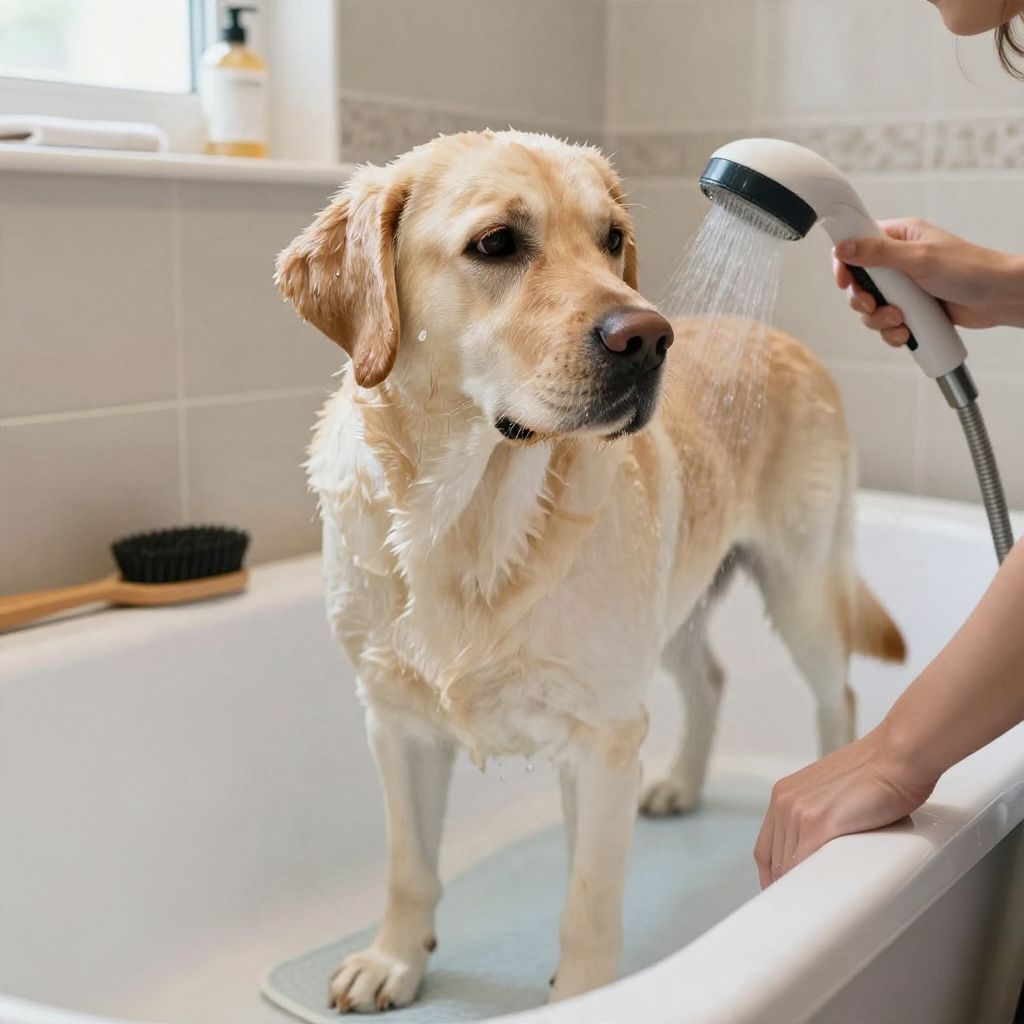
If you’ve ever wondered why do dogs hate baths, you’re not alone. Many dogs resist bath time because it feels noisy, slippery, cold, or simply unfamiliar.
The good news is that bath aversion is often manageable with the right setup, gentle handling, and gradual training. In some cases, fear or pain can also make bathing harder, so it helps to look at the whole picture.
Why do dogs hate baths?
Most dogs dislike baths because the experience can trigger stress: water pressure, unfamiliar smells, slippery tubs, restraint, and loud dryer noise. Some dogs also have skin pain, joint discomfort, or past negative experiences that make bathing feel threatening rather than routine.
Common causes of bath-time fear
Dogs do not all react the same way. A puppy who was introduced to baths early may cope well, while an adult rescue dog with little handling history may panic.
1. The bath environment feels scary
A tub or shower can be slick, echoey, and cramped. Many dogs feel unsteady on smooth surfaces, and that alone can make them anxious before the water even starts.
- Slippery footing can make dogs feel unsafe.
- Running water may sound loud or unpredictable.
- Bathrooms often have strong smells and unfamiliar surfaces.
2. Water itself is unpleasant
Some dogs dislike the sensation of being wet, especially if water gets in their ears, eyes, or nose. Others react to water temperature that feels too cold or too warm.
3. Past bad experiences
If a dog was ever forced into a bath, scolded, sprayed too hard, or dried with a loud dryer without preparation, they may remember bath time as something to avoid. Dogs learn through association, so one stressful event can affect future behavior.
4. Restraint and handling feel uncomfortable
Bathing often involves holding paws, lifting legs, or keeping a dog in one place. For dogs that dislike being handled, that can feel like loss of control.
5. Fear of grooming tools
Some dogs are not only afraid of baths but also of towels, brushes, clippers, or blow dryers. The bath may be only one part of a broader grooming fear.
6. Pain or medical discomfort
If a dog suddenly starts resisting baths, consider whether there is an underlying physical issue. Skin irritation, ear infections, arthritis, sore muscles, or wounds can make bathing painful.
Important: If your dog cries out, snaps, trembles intensely, or seems painful when touched, contact your veterinarian before trying to force a bath.
How to tell fear from a medical problem
Some bath resistance is behavioral, but a sudden change can point to discomfort. Watch for clues that suggest pain rather than simple dislike.
- New avoidance in a dog that used to tolerate baths
- Flinching when you touch the skin, ears, hips, or back
- Limping, stiffness, or trouble standing in the tub
- Scratching, redness, odor, or discharge from the skin or ears
- Whining, yelping, or trying to escape when water hits certain areas
If you see these signs, a veterinary exam is the safest next step. Bathing should not be used to “test” whether your dog can tolerate pain.
What to do if your dog hates baths
The best approach is to make bath time predictable, low-stress, and rewarding. You are teaching your dog that baths are safe, not forcing them to “get over it.”
Start with preparation outside the tub
Before any water is involved, help your dog get comfortable with the bathroom and grooming supplies.
- Let your dog enter the bathroom voluntarily.
- Reward calm behavior with treats or praise.
- Show the towel, brush, and shampoo bottle without starting the bath.
- Practice short, pleasant sessions so the room does not always predict a bath.
Use traction and comfort
A stable footing can make a big difference. Place a non-slip mat or towel in the tub or shower so your dog feels secure.
- Keep the water shallow if that is enough for your dog’s size and coat.
- Use lukewarm water unless your veterinarian advises otherwise.
- Keep the room warm to reduce shivering and stress.
Go slowly and keep sessions short
For anxious dogs, a full bath may be too much at first. Break the process into small steps and stop before your dog becomes overwhelmed.
- Enter the bathroom.
- Stand calmly near the tub.
- Touch paws or body briefly.
- Introduce a small amount of water.
- Reward calm behavior throughout.
If your dog stays relaxed, gradually increase the amount of handling over multiple sessions. If fear escalates, go back a step.
Pair baths with high-value rewards
Use treats your dog truly likes, not just ordinary kibble if that is not motivating enough. Offer rewards for calm standing, stepping into the tub, and tolerating brief rinses.
Keep rewards frequent at first, then fade them slowly as your dog becomes more comfortable.
Avoid rushing or forcing
Dragging, pinning, or scolding a frightened dog usually makes bath fear worse. It can also increase the risk of bites, slips, and injury.
If your dog is panicking, pause and reassess. Safety matters more than finishing the bath that day.
Bathing tips that can reduce stress
Small adjustments often make a big difference in how your dog experiences bath time.
- Use a handheld sprayer with gentle pressure.
- Keep water away from the face unless your veterinarian has shown you a safe method.
- Use cotton balls only if your veterinarian or groomer recommends them and you know how to place them safely.
- Dry your dog with a towel first before introducing a dryer, if your dog tolerates one.
- Speak calmly and move predictably.
Some dogs do better with a professional groomer who has experience handling nervous pets. Others feel safer at home where they know the environment.
How age and life stage can affect bath tolerance
Age does not determine behavior by itself, but it can influence comfort and training needs.
Puppies
Puppies usually adapt best when baths are introduced gently and positively. Short, pleasant exposure can help them learn that water, handling, and drying are normal parts of life.
Keep puppy baths brief and calm, and avoid overwhelming them with too many new sensations at once.
Adult dogs
Adult dogs may already have strong bath preferences based on past experiences. If your dog is resistant, focus on retraining the routine rather than assuming they will “just get used to it.”
Senior dogs
Older dogs may dislike baths more because of arthritis, reduced balance, or sensitivity to cold. A senior dog that seems suddenly fearful may actually be uncomfortable standing, lifting a leg, or being handled.
If your older dog struggles, ask your veterinarian whether a different bathing schedule, a gentler setup, or a medical check is needed.
Breed and coat type can matter, but not in the same way for every dog
Some dogs with thick, curly, or double coats may need more careful grooming than short-coated dogs, but that does not mean they all hate baths. Individual temperament, training history, and skin health matter just as much as coat type.
For example, a dog with a dense coat may need thorough rinsing and drying, which can lengthen the process and increase stress if not managed well. A dog with a short coat may still hate baths if the tub feels frightening or if they had a bad experience.
When bath aversion becomes a behavior problem
Occasional resistance is common. Concern grows when your dog shows intense fear every time, becomes impossible to handle, or starts reacting before the bath even begins.
Signs that you may need professional help include:
- Growling, snapping, or biting attempts
- Panic, escape behavior, or repeated attempts to jump out
- Shaking, drooling, or freezing before the bath starts
- Bath fear that is worsening instead of improving
A certified force-free trainer or veterinary behaviorist can help you build a step-by-step desensitization plan. If pain may be involved, start with your veterinarian.
Common mistakes to avoid
Many well-meaning owners accidentally make bath fear worse. Avoiding these mistakes can help your dog feel safer.
- Bathing too often, which can irritate skin or increase dread of the routine
- Using very hot or very cold water
- Spraying the face directly
- Forcing the dog to stay in the tub when panic starts
- Using punishment, leash jerks, or intimidation
- Skipping the non-slip surface
If your dog’s coat or skin needs frequent cleaning, ask your veterinarian how often bathing is appropriate. For many dogs, overbathing can worsen dryness or irritation.
When to call the veterinarian
Contact your veterinarian if bath resistance is new, severe, or linked to physical signs of discomfort. This is especially important if your dog has skin disease, ear problems, arthritis, wounds, or a history of anxiety that suddenly worsens.
Seek urgent veterinary care if your dog has trouble breathing, collapses, seems overheated, has a seizure, or is injured during bath time. These are emergencies and should not be managed at home.
Bottom line
Dogs usually hate baths because they feel scary, slippery, loud, or uncomfortable, and sometimes because they are in pain. With a safer setup, gradual training, and patience, many dogs can learn to tolerate bath time much better.
If you want to make grooming easier overall, it can also help to read more about how often you should bathe a dog. For another common behavior question, you may also find why dogs dig useful.