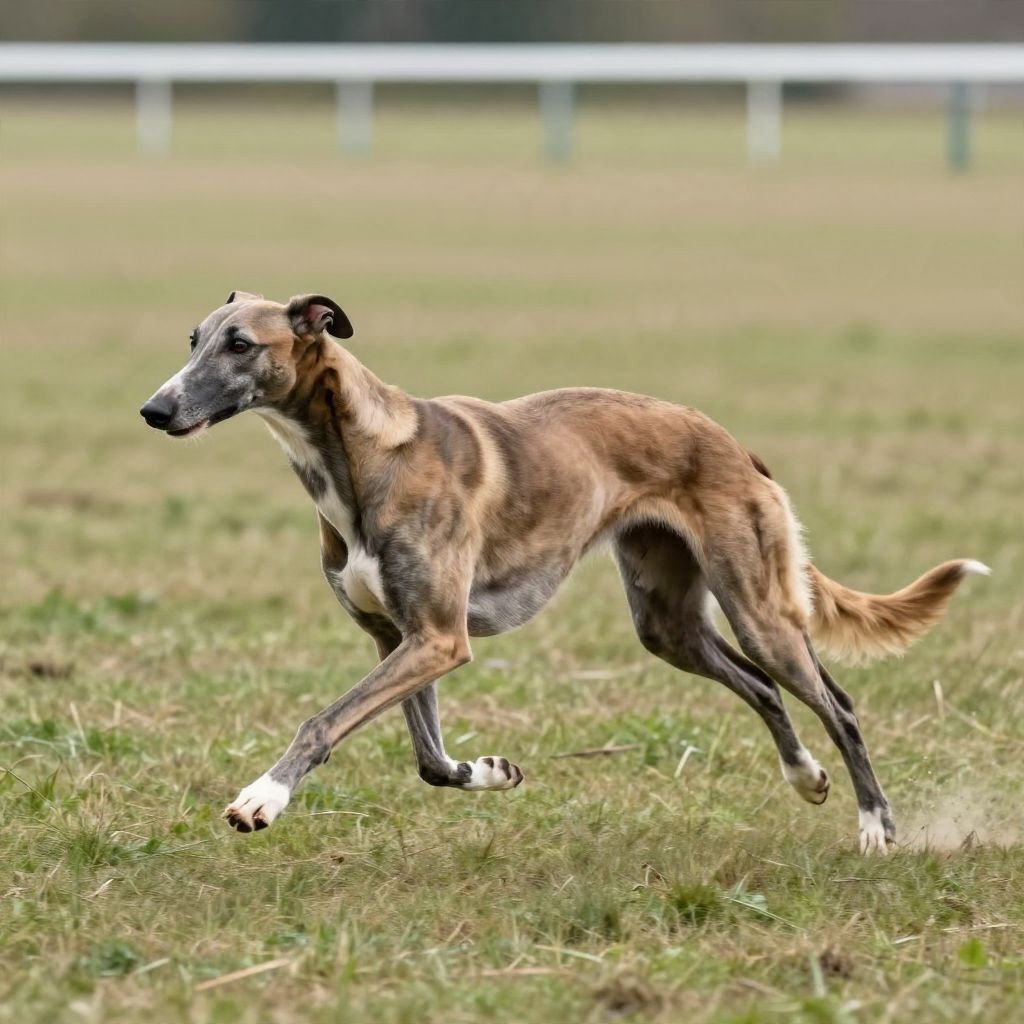
If you’re asking what is the fastest dog in the world, the short answer is the Greyhound. This breed is widely recognized for exceptional sprinting ability, with a lean body, deep chest, long legs, and powerful stride built for short bursts of speed.
That said, “fastest” depends on the situation. Some dogs are better at acceleration, others at endurance, and individual health, age, and training all matter. If you want to understand speed, safety, and what makes a dog fast, the details below will help.
What Is The Fastest Dog In The World?
The Greyhound is generally considered the fastest dog in the world, especially over short distances. Its body is designed for sprinting, and many Greyhounds can reach very high speeds in a few strides. Other fast breeds, such as Salukis and Whippets, are also impressive, but Greyhounds are the most widely recognized speed champions.
Why Greyhounds Are So Fast
Greyhounds are built for speed in a way that most dogs are not. Their long legs, flexible spine, narrow waist, and large heart and lungs help them accelerate quickly and maintain a fast sprint for a short time.
Key physical traits that support speed
- Long, light frame: Reduces drag and helps with efficient movement.
- Deep chest: Supports strong lung capacity and stamina for bursts.
- Flexible back: Allows a longer stride and powerful extension.
- Lean muscle: Helps with explosive acceleration.
- Narrow body shape: Improves aerodynamics during a sprint.
These traits help explain why the breed excels at racing and lure coursing. Still, not every Greyhound is a top athlete, and not every individual will run the same way.
How Fast Can the Fastest Dog Run?
Fast dogs are often known for sprinting rather than long-distance running. The top speed of a Greyhound is commonly described as extremely high for a dog, but exact numbers can vary depending on the dog, the surface, motivation, and how speed is measured. What matters most is that this breed is built for brief, intense bursts of running.
Speed varies by individual dog
- Age: Puppies and seniors are usually slower and less coordinated.
- Conditioning: Fit dogs may sprint better than sedentary dogs.
- Health: Pain, arthritis, heart disease, or injury can reduce speed.
- Temperament: Some dogs are naturally more chase-driven than others.
- Surface and weather: Grass, sand, heat, and humidity can affect performance.
If you are comparing breeds, remember that speed is only one trait. A dog that is “fastest” in a sprint may not be the best choice for your lifestyle or exercise routine.
Other Fast Dog Breeds Worth Knowing
While the Greyhound is the best-known answer to what is the fastest dog in the world, several other breeds are also known for speed and athleticism. These dogs may be quick, agile, and enthusiastic runners, but they still vary in build and ability.
- Whippet: Smaller than a Greyhound, but very fast and agile.
- Saluki: A graceful sighthound known for speed and endurance in open spaces.
- Borzoi: Tall and elegant, with strong sprinting ability.
- Afghan Hound: Athletic and capable of quick bursts, though often more independent in style.
- Vizsla: A versatile sporting dog with good speed and stamina.
These breeds may be fast, but speed does not automatically mean they need the same care. Their exercise, grooming, and training needs can differ a lot.
What “Fastest” Really Means in Dogs
The phrase “fastest dog” can mean different things. Some dogs are fastest in a straight sprint, while others are better at quick turns, chasing moving objects, or covering ground over time.
Different types of canine speed
- Top sprint speed: Best for short bursts over a straight line.
- Acceleration: How quickly a dog reaches high speed.
- Agility: The ability to turn, dodge, and change direction.
- Endurance: How long a dog can keep moving at a steady pace.
That is why a dog that wins a sprint race may not be the best long-distance companion, and a dog that seems “quick” in the yard may not be the fastest in a measured run.
Do Fast Dogs Need Special Exercise?
Yes, but the right exercise depends on the individual dog. Fast breeds often enjoy regular opportunities to run, but they should do so safely and in a controlled way. Many are happiest with a mix of walking, sprinting, mental enrichment, and rest.
Safe exercise ideas for fast dogs
- Use a secure, fenced area for off-leash running if it is safe and legal.
- Warm your dog up with a short walk before faster activity.
- Keep sprint sessions brief rather than forcing long runs.
- Offer puzzle toys, scent games, and training for mental exercise.
- Watch for signs of fatigue, overheating, or limping.
Fast dogs can be prone to injury if they are overworked, especially if they are not conditioned. Start gradually and adjust based on your dog’s age and health.
Safety Tips for Running With a Fast Dog
Speed can be fun, but it also increases risk. A quick dog may dart into traffic, chase wildlife, or strain a muscle if not managed carefully.
- Use a leash near roads: Even a well-trained dog can react suddenly.
- Check the ground: Avoid hot pavement, sharp debris, and slippery surfaces.
- Provide water: Fast activity can lead to dehydration.
- Watch the weather: Heat and humidity can make running dangerous.
- Use a secure collar or harness: Choose equipment that fits well and does not slip.
If your dog pants heavily, stumbles, seems disoriented, or stops wanting to move, stop the activity right away and let them rest. Seek veterinary help if symptoms do not improve quickly or seem severe.
Common Mistakes People Make With Fast Breeds
People sometimes assume that a fast dog always needs intense exercise or that speed means the dog is easy to manage. Neither is true.
- Overexercising a young dog: Growing joints need protection.
- Skipping training: Speed without recall can be unsafe.
- Ignoring enrichment: Fast dogs still need mental stimulation.
- Assuming all individuals are the same: Personality and fitness vary.
- Letting a dog run in unsafe spaces: Open areas are not always secure.
Reward-based training helps fast dogs learn recall, impulse control, and calm behavior. That is especially important if your dog has a strong prey drive or loves to chase movement.
When Speed Is Not Normal
If your dog suddenly seems unable to run, is slower than usual, or avoids movement, that may be a health issue rather than a training issue. Pain, injury, arthritis, heart problems, and other medical conditions can all affect performance.
Red flags that need veterinary attention
- Limping or favoring a leg
- Sudden reluctance to move or jump
- Labored breathing, collapse, or weakness
- Swollen joints or obvious pain
- Repeated coughing during or after exercise
- Heat stress signs such as heavy panting, drooling, and unsteadiness
Seek urgent veterinary care if your dog collapses, cannot stand, has trouble breathing, or seems confused or unresponsive. Do not wait to see if severe symptoms pass on their own.
Are Fast Dogs Good Family Pets?
Many fast breeds can make excellent companions, but speed alone does not determine whether a dog is a good fit. What matters more is temperament, training, exercise needs, and how well the dog matches your home and routine.
Questions to ask before choosing a fast breed
- Can you provide daily exercise and safe running opportunities?
- Do you have secure fencing or another way to keep the dog safe?
- Are you prepared for training and recall work?
- Does the breed’s grooming or health profile fit your household?
- Will the dog have enough rest and enrichment, not just physical activity?
Some fast dogs are calm indoors and energetic outdoors, while others are more active throughout the day. Individual differences matter a great deal.
Conclusion: The Fastest Dog in the World
If you want the clearest answer to what is the fastest dog in the world, the Greyhound is the breed most often recognized for that title. Its body is uniquely suited to sprinting, but speed should always be balanced with safe exercise, training, and health care. If you want to learn more, you may also find how fast a dog can run and what is the fastest dog helpful for related reading.