
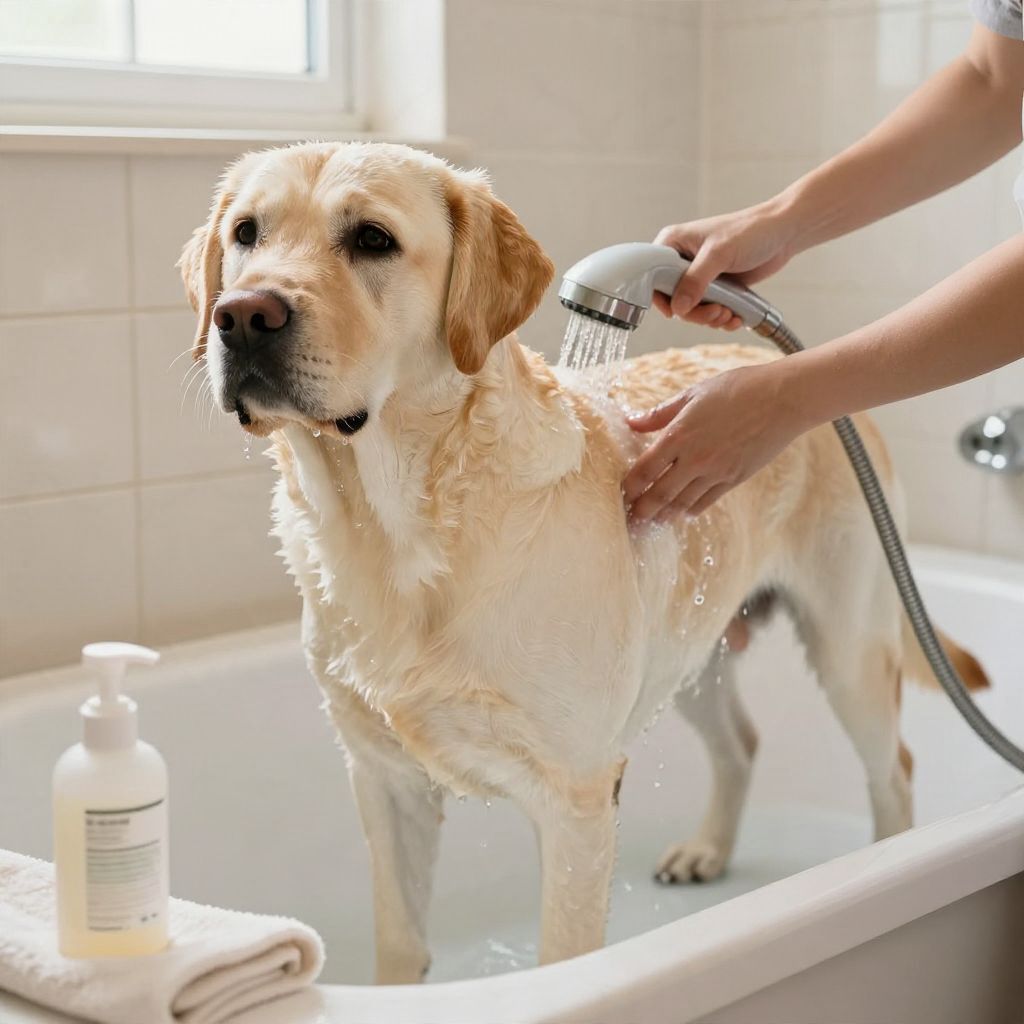
How often should you give your dog a bath? The answer depends on your dog’s coat, skin, lifestyle, and health. Some dogs need baths every few weeks, while others can go much longer between washes.
Bathing too often can dry out skin and coat, but waiting too long can leave dirt, odor, and allergens building up. The best schedule is the one that keeps your dog clean without irritating their skin.
How Often Should You Give Your Dog A Bath?
Most dogs do well with a bath every 4 to 8 weeks, but the right timing depends on coat type, activity level, and skin health. Dogs that get muddy, swim often, or have skin issues may need more frequent bathing, while low-odor, low-shedding dogs may need less.
What Affects How Often Your Dog Needs a Bath?
There is no single bathing schedule that fits every dog. A dog that spends time outdoors, rolls in dirt, or has a thick coat will usually need more grooming attention than a calm indoor dog with short hair.
Coat type and length
- Short coats: Many short-haired dogs need baths less often unless they get dirty or smelly.
- Long or dense coats: These coats can trap debris and oils, so they may need more regular bathing and brushing.
- Curly or wavy coats: These often benefit from scheduled grooming because mats can hold dirt and moisture.
- Hairless or very sensitive coats: These dogs may need special bathing guidance from a veterinarian or groomer.
Activity and lifestyle
A dog that hikes, swims, digs, or spends time in a yard may need baths more often than a mostly indoor companion. Dogs that sleep in your bed or on furniture may also need bathing more regularly for comfort and odor control.
Skin and health conditions
Dogs with allergies, seborrhea, yeast overgrowth, or other skin problems may need a bathing plan from a veterinarian. In these cases, the shampoo choice and bathing frequency matter as much as the bath itself.
Age and temperament
Puppies, seniors, and nervous dogs may need gentler handling and shorter bathing sessions. If your dog is anxious around water, focus on gradual training so bath time stays safe and manageable.
Signs Your Dog May Need a Bath Sooner
Even if your usual schedule is every few weeks, some situations call for an earlier bath. Watch for these common signs:
- Noticeable odor that brushing does not fix
- Visible dirt, mud, or sticky debris in the coat
- Greasy or dull fur
- Itching from environmental buildup, not a medical problem
- Allergens or pollen tracked in after outdoor activity
If your dog suddenly smells much worse than usual, scratches a lot, or has red skin, flakes, sores, or hair loss, contact your veterinarian. Those signs can point to a skin condition rather than a simple need for bathing.
Can You Bathe a Dog Too Often?
Yes. Bathing too frequently can strip natural oils from the skin and leave your dog dry, itchy, or flaky. Some dogs tolerate frequent baths well, especially when a veterinarian recommends medicated bathing, but many healthy dogs do best with moderate bathing intervals.
Common signs of overbathing
- Dry or brittle coat
- Flaky skin
- Increased itching after baths
- Dull coat appearance
- Redness or irritation
If you notice these changes, reduce bathing frequency and check whether the shampoo is too harsh for your dog’s skin. A veterinarian can help you choose a better routine if the problem continues.
How to Bathe Your Dog Safely
A good bath is about more than water and soap. The goal is to clean the coat, protect the skin, and keep the experience calm enough that your dog can tolerate it again next time.
- Brush your dog first to remove tangles, loose hair, and debris.
- Use lukewarm water, not hot water.
- Choose a dog shampoo made for canine skin.
- Massage the shampoo gently into the coat and avoid the eyes and inside the ears.
- Rinse thoroughly so no residue stays behind.
- Dry your dog well with towels, and use a dryer only if your dog is comfortable with it.
Never use human shampoo as a routine substitute. It may be too harsh for many dogs and can worsen dryness or irritation.
Make bath time easier
- Keep sessions short and calm.
- Use treats and praise to build positive associations.
- Place a non-slip mat in the tub or sink.
- Introduce water gradually if your dog is fearful.
- Stop if your dog becomes panicked or unsafe to handle.
Puppies, Adult Dogs, and Senior Dogs
Age can change how often you should bathe your dog, but it does not create a fixed rule. The main goal is to match the bath schedule to your dog’s comfort, skin health, and cleanliness.
Puppies
Puppies usually do not need frequent bathing unless they get messy. Because they are still learning about handling, keep baths gentle and positive. Make sure puppies are kept warm and fully dried after bathing.
Adult dogs
Healthy adult dogs often do well with baths every 4 to 8 weeks, adjusted for coat and lifestyle. If your dog is very active or sheds heavily, you may need to groom and bathe more often.
Senior dogs
Older dogs may have arthritis, sensitive skin, or lower tolerance for standing in a tub. Shorter baths, better traction, and extra support can make bathing safer and less stressful.
What About Dogs With Skin Allergies or Medical Needs?
Some dogs need a bathing schedule that is very different from the usual advice. If your veterinarian has diagnosed allergies, infection, or another skin problem, follow the treatment plan they recommend rather than guessing at timing.
In these cases, bathing may be part of treatment, but the shampoo type, contact time, and frequency should come from your vet. Do not delay care if your dog has persistent itching, odor, scabs, hot spots, or repeated ear problems.
When You Should Call the Veterinarian
Bathing is usually a grooming decision, but some symptoms need medical attention. Contact your veterinarian promptly if you notice:
- Severe itching or constant scratching
- Red, swollen, or painful skin
- Open sores, bleeding, or pus
- Strong odor that returns quickly after bathing
- Hair loss, thick dandruff, or darkened skin
- Ear discharge, head shaking, or ear pain
Seek urgent veterinary care if your dog has facial swelling, trouble breathing, collapse, severe lethargy, or signs of a serious allergic reaction after a bath or grooming product exposure.
Common Bathing Mistakes to Avoid
Many bathing problems come from small mistakes that are easy to fix once you know what to watch for.
- Bathing too often without a skin reason
- Using shampoo not meant for dogs
- Leaving shampoo residue on the coat
- Skipping brushing before the bath
- Not drying the coat well enough, especially in thick or long-haired dogs
- Forcing a fearful dog through a stressful bath without training support
If your dog hates baths, it is often better to work on gradual desensitization than to rush the process. A certified trainer or veterinary behaviorist can help if fear is severe.
Practical Bathing Schedule Examples
These examples can help you think through timing, but they are not strict rules. Your dog’s needs may be different.
- Low-activity indoor dog: May only need a bath every 6 to 8 weeks, or even less often if clean and comfortable.
- Active outdoor dog: May need bathing every 2 to 4 weeks, depending on dirt, odor, and coat type.
- Dog with skin treatment needs: May need a veterinarian-directed schedule that is more frequent or more specific.
- Puppy in training: Usually bathed only when needed, with extra focus on positive handling.
Final Answer: How Often Should You Give Your Dog A Bath?
For most dogs, a bath every 4 to 8 weeks is a good starting point, but your dog’s coat, activity level, and skin health should guide the final schedule. Watch for dryness, odor, dirt, and skin changes, and adjust as needed with your veterinarian’s help if medical issues are involved.
If you want to compare bathing routines in more detail, you may also find how often should you bathe a dog and how often should you wash your dog helpful for related grooming guidance.