
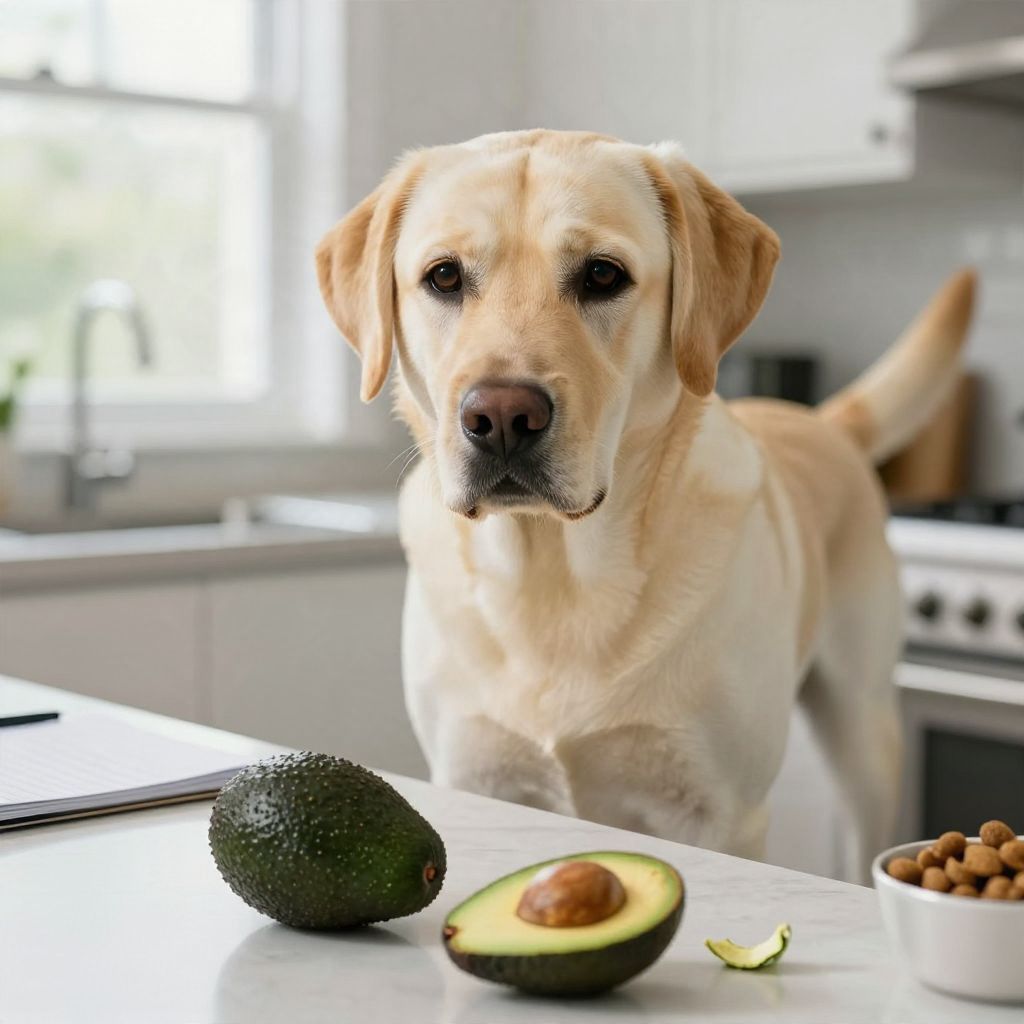
If you’re wondering, “Can a dog eat avocado?” the safest answer is: only in very small amounts, and only the plain flesh, if at all. Avocado is not a necessary part of a dog’s diet, and the pit, skin, and leaves can create serious risks.
Most dogs that nibble a tiny piece of ripe avocado flesh will be fine, but larger amounts can upset the stomach and the pit can cause choking or an intestinal blockage. If your dog ate avocado in any form, what matters most is the amount, the part eaten, and whether any symptoms appear.
Can a Dog Eat Avocado?
Yes, a dog can usually eat a small amount of plain avocado flesh, but it is not an ideal treat. The pit, skin, and plant parts are unsafe, and avocado dishes like guacamole often contain ingredients that are harmful to dogs. When in doubt, skip avocado and choose a dog-safe snack instead.
What Parts of Avocado Are Risky for Dogs?
Not all parts of an avocado are equally safe. The main concern is not just the fruit itself, but the way avocado is served and what else is included.
Avocado flesh
The soft green flesh is the least concerning part, but it should still be offered sparingly. Too much can lead to vomiting, diarrhea, or a greasy stomach upset, especially in dogs with sensitive digestion.
Avocado pit
The pit is a major hazard. It can cause choking, dental injury, or a blockage in the throat, stomach, or intestines if swallowed.
Avocado skin
The skin is tough and difficult to digest. It can also contribute to gastrointestinal upset and may be harder for smaller dogs to pass if swallowed.
Leaves, stems, and plant material
Avocado plant parts are not something your dog should chew on. Keep houseplants and yard access in mind if you grow avocado trees or keep cut fruit within reach.
Why Guacamole Is a Bigger Problem Than Plain Avocado
Guacamole is usually a bad choice for dogs because it often contains onion, garlic, salt, chili, lime, or other seasonings. Some of these ingredients can be harmful, and the added fat can make stomach upset more likely.
If your dog licked a tiny trace from a plate, this may not cause trouble. But if your dog ate a meaningful amount of guacamole, contact your veterinarian for advice, especially if the recipe included onion or garlic.
What Symptoms Should You Watch For?
After eating avocado, many dogs have no problems at all. Still, it is important to monitor for digestive upset or signs that something more serious happened, such as swallowing the pit.
- Vomiting
- Diarrhea
- Loss of appetite
- Drooling
- Abdominal discomfort
- Restlessness or repeated attempts to vomit
- Constipation or straining to pass stool
- Coughing, gagging, or trouble swallowing
Get urgent veterinary care right away if your dog has trouble breathing, collapses, has a swollen abdomen, cannot keep water down, seems very painful, or may have swallowed the pit. Those can be signs of an emergency.
What Should You Do If Your Dog Ate Avocado?
The right next step depends on what was eaten. A small bite of plain flesh is usually less concerning than a pit, a large serving, or avocado mixed into a seasoned dish.
- Stay calm and remove any remaining avocado from reach.
- Check whether the pit, skin, or any packaging is missing.
- Note how much your dog ate and when it happened.
- Watch for vomiting, diarrhea, pain, or unusual behavior.
- Call your veterinarian if your dog ate a large amount, ate guacamole, or swallowed the pit or skin.
Do not try to make your dog vomit unless a veterinarian specifically tells you to do so. That can be dangerous, especially if a pit or other object was swallowed.
Are Some Dogs More Sensitive Than Others?
Yes. Tolerance can vary based on body size, age, health status, and digestive sensitivity. A small dog may react to a portion that a larger dog handles without issue, and puppies, seniors, and dogs with pancreatitis or a history of stomach upset may be more vulnerable.
Puppies
Puppies are more likely to chew things they should not, including pits and skin. Their smaller size also means even modest amounts of rich food can upset their stomachs.
Small dogs
Small dogs face a higher choking and blockage risk if they get hold of the pit or a large chunk of skin. Even “a little bit” can be a bigger problem for them than for a large dog.
Dogs with sensitive stomachs
If your dog already gets diarrhea easily, rich or fatty foods may trigger symptoms more quickly. For these dogs, avocado is often best avoided entirely.
Dogs with pancreatitis or weight concerns
Avocado is not a good treat for dogs that need a very controlled diet or that have been advised to avoid fatty foods. Ask your veterinarian before offering any human food.
How Much Avocado Is Too Much?
There is no universal safe amount for every dog, and it is not wise to treat avocado as a regular snack. If you do offer it, keep the portion very small, plain, and occasional, and stop if your dog has any digestive reaction.
As a general rule, the safest approach is to treat avocado as an unnecessary food rather than a recommended treat. Dogs do not need it nutritionally, so there is no benefit to making it a habit.
Safe Ways to Offer a Tiny Amount, If Your Vet Says It’s Okay
If your veterinarian says your dog can have a small taste, keep it plain and simple. This means no seasoning, no onion or garlic, and no mixed dishes.
- Use only ripe avocado flesh
- Remove the pit and skin completely
- Offer a tiny piece, not a full serving
- Do not use guacamole or avocado dips
- Stop if your dog gets loose stool, vomiting, or gas
Even when served safely, avocado should remain an occasional novelty, not a regular treat or meal topper.
Common Mistakes Dog Owners Make
Most avocado-related problems happen because the dangerous parts are overlooked or the food is shared in a human-style dish.
- Leaving the pit where a dog can steal it
- Giving guacamole or seasoned avocado toast
- Assuming “healthy for people” means safe for dogs
- Offering too much at once
- Ignoring mild symptoms after the dog eats avocado
Another common mistake is waiting too long after a pit is swallowed. A blockage can become serious, so early veterinary guidance is better than watchful waiting if you are unsure.
When to Call the Veterinarian
Call your veterinarian if your dog ate a large amount of avocado, ate guacamole, or has any vomiting, diarrhea, or abdominal discomfort after eating it. You should also call promptly if your dog swallowed the pit, skin, or any part of the avocado plant.
Seek emergency care immediately if your dog is choking, having trouble breathing, repeatedly retching, acting weak, has a painful or bloated belly, or cannot pass stool after swallowing a pit.
Better Treat Options Than Avocado
If you want a safe snack, choose dog-friendly foods that are simple and plain. The best option depends on your dog’s health, size, and diet plan.
- Small pieces of plain cooked chicken
- Plain cooked pumpkin
- Small amounts of dog-safe vegetables, such as carrots or green beans
- Commercial dog treats made for your dog’s size and needs
When introducing any new food, start with a tiny amount and monitor your dog for digestive upset.
The Bottom Line
Can a dog eat avocado? In small amounts, plain avocado flesh is usually not toxic, but it is not a food you need to give your dog. The pit, skin, and guacamole are the real concerns, and any swallowing of the pit deserves quick veterinary attention.
If you want to read more about this topic, you may also find can dogs eat avacado and can dogs have guacamole helpful for related questions.