
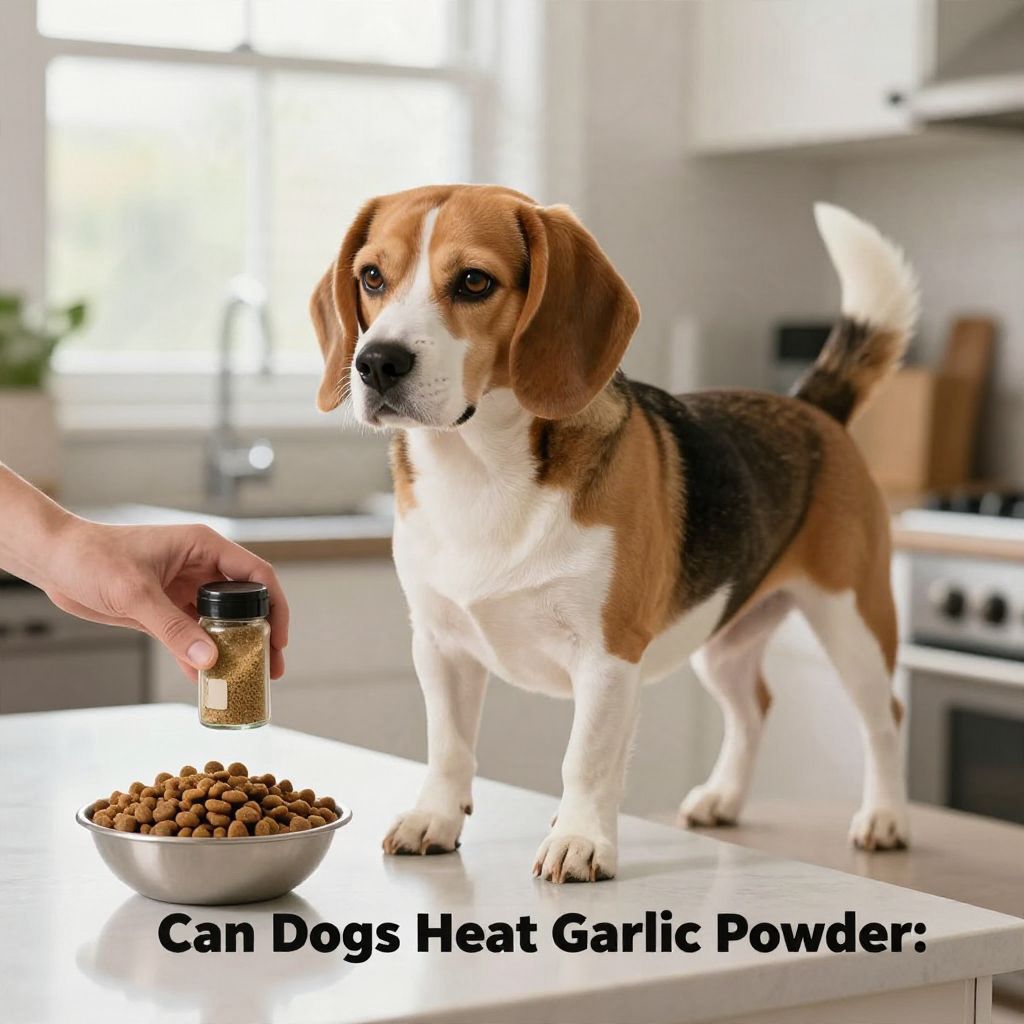
Can dogs eat garlic powder? In general, no—garlic powder is not a safe seasoning for dogs. Even small amounts can be risky because garlic is part of the allium family, which can damage a dog’s red blood cells and lead to illness.
If your dog ate garlic powder, the right response depends on how much was eaten, your dog’s size, and whether there are symptoms. When in doubt, contact your veterinarian or a pet poison hotline right away for guidance.
Can dogs eat garlic powder?
No, dogs should not eat garlic powder. Garlic powder is more concentrated than fresh garlic by volume, so it can be easier to overdo in foods, treats, sauces, and seasonings. Because the risk can build over time, it is best to avoid giving it to dogs altogether.
Why garlic powder is risky for dogs
Garlic can irritate the digestive tract and, more importantly, can damage a dog’s red blood cells. That damage may reduce the blood’s ability to carry oxygen, which can make a dog weak or sick. The risk is not the same for every dog, but there is no reason to use garlic powder as a dog food ingredient.
Why powdered forms can be more concerning
Garlic powder is easy to hide in human foods, spice blends, and leftovers. A small spoonful may seem harmless, but the concentrated form can add up quickly, especially in small dogs, puppies, or dogs with existing health concerns.
- Small dogs may be affected by a smaller amount because of their body size.
- Puppies can be more vulnerable because they are smaller and still developing.
- Dogs with anemia or other medical problems may have less reserve if red blood cells are affected.
- Repeated exposure from table scraps or seasoned foods can be a hidden problem.
What symptoms should you watch for?
If your dog ate garlic powder, watch closely for vomiting, diarrhea, drooling, belly pain, loss of appetite, weakness, or unusual tiredness. More serious signs can appear later and may include pale gums, rapid breathing, dark urine, collapse, or seeming unsteady.
Red-flag symptoms that need urgent veterinary care
Seek urgent veterinary help if your dog has any of the following after possible garlic powder exposure:
- Repeated vomiting or severe diarrhea
- Marked weakness or trouble standing
- Pale, white, or yellow gums
- Fast breathing or breathing difficulty
- Collapse or extreme lethargy
- Dark or reddish urine
These signs can point to a serious problem, and waiting is not safe. If your dog is struggling to breathe, collapses, or seems unable to stay awake, treat it as an emergency.
What to do if your dog ate garlic powder
Stay calm and act quickly. The safest next step depends on the amount eaten, when it happened, and whether your dog has symptoms.
- Remove the food or seasoning so your dog cannot eat more.
- Check the package or recipe to estimate how much garlic powder may have been consumed.
- Call your veterinarian, an emergency clinic, or a pet poison hotline for advice.
- Do not try home remedies unless a veterinarian specifically tells you to.
- Monitor for symptoms, even if your dog seems normal at first.
Do not assume your dog is fine just because they ate only a little. Some problems can develop later, and the amount that matters can vary with your dog’s size and health status.
How much garlic powder is dangerous for dogs?
There is no safe “human seasoning” rule you can rely on for garlic powder. Risk depends on the dog, the amount, and whether the exposure was a one-time event or repeated over time. Because of that variation, it is not wise to guess based on appearance alone.
Instead of trying to calculate a safe amount yourself, ask a veterinarian for individualized guidance. This is especially important for toy breeds, puppies, senior dogs, and dogs with anemia or other medical conditions.
What if garlic powder was in a cooked food?
Garlic powder often appears in soups, sauces, gravies, meat rubs, seasoning blends, and leftovers. Even if the food is otherwise dog-safe, the garlic seasoning can make it unsafe for your dog.
Common hidden sources
- Seasoned chicken, beef, or fish
- Pizza, pasta sauces, and casseroles
- Snack mixes and savory crackers
- Marinades, rubs, and spice blends
- Restaurant leftovers and takeout
If your dog ate a seasoned dish, save the ingredient list or recipe if you can. That information helps your veterinarian judge the risk more accurately.
Are some dogs more sensitive than others?
Yes. Sensitivity can vary based on body size, age, overall health, and whether your dog has eaten garlic before. A large, healthy adult dog may tolerate a small accidental exposure better than a tiny dog or a dog with preexisting illness, but that does not make garlic powder safe for any dog.
Breed alone does not determine the outcome. Individual health matters more than stereotypes, so it is best to judge the situation by your dog’s specific circumstances.
Can you use garlic powder in homemade dog food or treats?
No. Garlic powder should not be used in homemade dog food, treats, or toppers. If you want to make food at home, keep it simple and dog-appropriate, and use recipes designed by a veterinary nutrition professional when possible.
Homemade diets can become unbalanced easily, and adding garlic powder introduces an avoidable safety risk. A balanced commercial diet is usually the safest everyday option unless your veterinarian recommends something different.
Safer flavor ideas instead of garlic powder
- Plain cooked pumpkin in small amounts
- Plain cooked green beans
- Plain cooked carrots
- Small pieces of plain cooked chicken or turkey
Always keep any add-ins plain, unseasoned, and appropriate for your dog’s diet. Even safe foods should be given in moderation.
What not to do after garlic powder exposure
Some common reactions can make things worse. Avoid these mistakes:
- Do not induce vomiting unless a veterinarian instructs you to.
- Do not give human medications or supplements to “counteract” it.
- Do not wait for symptoms if you know a meaningful amount was eaten.
- Do not assume a dog is safe because they have eaten seasoned food before.
Fast professional guidance is safer than guessing, especially if your dog is very small or already not feeling well.
When should you call the vet even if your dog seems okay?
Call your veterinarian if your dog ate garlic powder and you are unsure about the amount, if the food was heavily seasoned, or if your dog has a medical condition. You should also call if your dog is a puppy, elderly, or has a history of anemia or digestive trouble.
Even without symptoms, a vet can help you decide whether monitoring at home is reasonable or whether your dog needs an exam and testing.
How to prevent garlic powder accidents
Prevention is usually simple. Most exposures happen when dogs get into leftovers, dropped food, or shared plates.
- Keep spice jars and seasoning packets out of reach.
- Store leftovers in sealed containers.
- Teach family members and guests not to share seasoned food.
- Use dog-safe treats instead of table scraps.
- Check ingredient labels on broths, sauces, and snack foods.
If your dog is food-motivated, training a reliable “leave it” cue can also help reduce scavenging and counter surfing.
Bottom line
Dogs should not eat garlic powder. It is a risky seasoning that can cause digestive upset and, in more serious cases, damage red blood cells. If your dog ate any amount, contact your veterinarian for guidance, and seek urgent care right away if warning signs appear.
If you want to learn more about related safety concerns, you may also find how much garlic is toxic to dogs and why onions are bad for dogs helpful.