
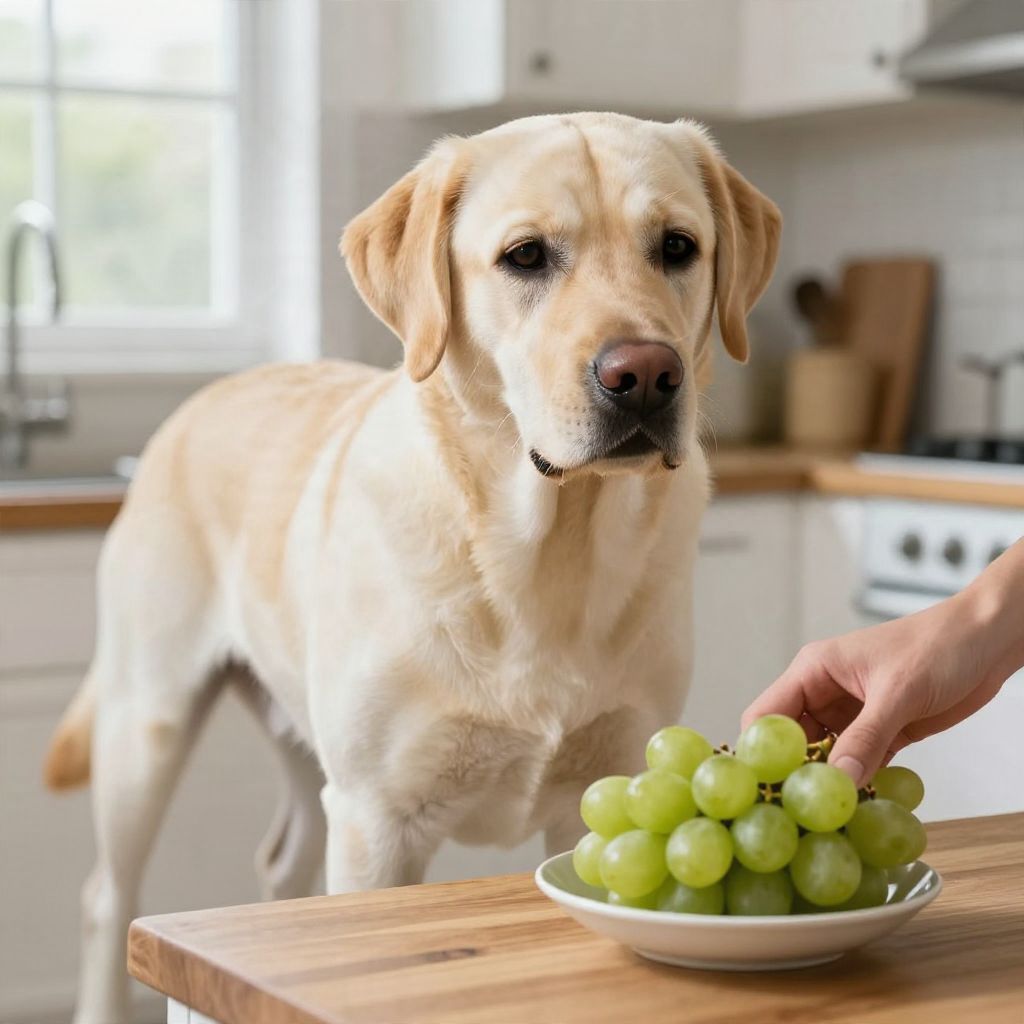
Can grapes kill dogs? Yes, grapes can be dangerous enough to cause sudden kidney failure in some dogs, and the risk is unpredictable. Even a small amount may be a problem, so treat any grape or raisin exposure as a veterinary concern.
If your dog ate grapes, raisins, or foods containing them, contact a veterinarian or pet poison helpline right away. Do not wait for symptoms, because early treatment can make a big difference.
Can Grapes Kill Dogs?
Yes. Grapes and raisins can be toxic to dogs, and in some cases the reaction can be severe or fatal. The exact amount that causes illness is not reliably known, so any ingestion should be taken seriously and discussed with a veterinarian immediately.
Why Grapes Are So Dangerous for Dogs
Veterinarians still do not know exactly which substance in grapes causes toxicity, and that uncertainty is part of the danger. Some dogs become very ill after eating only a few grapes, while others may seem fine at first and then develop kidney injury later.
Because the response is unpredictable, you should never assume your dog is safe based on size, breed, or the number eaten. A dog that has eaten grapes once may also react differently the next time.
Forms that can be risky
- Fresh grapes of any color
- Raisins
- Currants
- Baked goods with raisins or currants
- Trail mix, cereal, and snack bars containing dried grapes
- Foods with grape pieces hidden inside, such as some salads or desserts
What To Do If Your Dog Ate Grapes
If your dog ate grapes, act quickly. Call your veterinarian, an emergency clinic, or a pet poison resource right away and tell them what your dog ate, how much, and when it happened.
- Remove any remaining grapes or raisin-containing food.
- Keep the package or container so you can share ingredient details.
- Contact a veterinarian immediately, even if your dog looks normal.
- Follow professional instructions exactly.
- Go to an emergency clinic if you cannot reach your regular vet quickly.
Do not try home remedies, induce vomiting unless a veterinarian specifically tells you to, or wait to “see what happens.” With grape exposure, time matters.
Signs of Grape Toxicity in Dogs
Some dogs show symptoms within hours, while others may not look sick right away. Early signs can be mild and easy to miss, which is why prompt veterinary advice is so important.
- Vomiting
- Diarrhea
- Loss of appetite
- Lethargy or unusual tiredness
- Abdominal discomfort
- Increased thirst or urination
- Decreased urination
- Weakness
Emergency warning signs
Seek urgent veterinary care immediately if your dog has repeated vomiting, seems very weak, stops eating, cannot keep water down, or is urinating much less than usual. These can be signs of serious kidney injury.
How Vets May Treat Grape Exposure
Treatment depends on how long ago the grapes were eaten and whether symptoms have started. A veterinarian may recommend decontamination, monitoring, bloodwork, and supportive care, especially to protect the kidneys.
Because treatment is time-sensitive and varies by case, do not guess at the best next step. A vet can decide whether your dog needs immediate intervention or observation.
Does Dog Size, Breed, or Age Change the Risk?
Any dog can be affected, and no breed is known to be protected. Smaller dogs may face more risk from a given amount simply because the exposure is proportionally larger, but even large dogs can become ill after eating grapes.
Puppies, seniors, and dogs with existing kidney disease, dehydration, or other health problems may have less reserve if toxicity develops. Still, the safest rule is the same for every dog: any grape ingestion deserves veterinary advice.
Common Mistakes Dog Owners Make
- Assuming one or two grapes cannot hurt a large dog
- Waiting for symptoms before calling a vet
- Forgetting that raisins and currants are also dangerous
- Not checking baked goods, trail mix, or snacks for hidden grapes
- Trying to treat the dog at home without professional guidance
How To Prevent Grape Accidents
Prevention is usually straightforward, but it requires consistency. Grapes should be treated like a household toxin, not a casual snack.
- Keep grapes and raisins out of reach on counters and tables.
- Store trail mix, baked goods, and lunch items securely.
- Teach children and guests not to share grapes with the dog.
- Use covered trash cans if grape scraps may be thrown away.
- Be careful during picnics, lunch prep, and holiday gatherings.
What About Grape Juice, Jelly, or Foods With Grapes?
Any product made from grapes should be treated cautiously. Juice, jelly, jam, and foods containing raisins or grape pieces may still pose a risk, especially if your dog eats enough of them.
If you are unsure whether a food contains grapes, read the ingredient list carefully. When in doubt, keep it away from your dog and ask your vet if exposure has already happened.
When You Should Call the Vet Even If Your Dog Seems Fine
Call right away if your dog ate grapes or raisins, even if there are no symptoms yet. Early treatment is often more effective than waiting for vomiting, lethargy, or kidney signs to appear.
You should also call promptly if your dog has a history of kidney problems, is very young or old, or ate an unknown amount. Uncertainty is enough reason to seek help.
Safer Treat Alternatives
If you want a fruit treat, choose dog-safe options in appropriate amounts and forms, and keep treats as a small part of the diet. Always introduce new foods carefully and avoid anything with added sugar, xylitol, chocolate, or other harmful ingredients.
- Small pieces of apple without seeds
- Blueberries
- Plain watermelon without seeds or rind
- Plain cooked pumpkin
Remember that treats should never replace a complete and balanced dog food.
Bottom Line
Can grapes kill dogs? They can, and the risk is serious enough that every exposure should be treated as urgent. If your dog ate grapes or raisins, contact a veterinarian immediately and do not wait for symptoms.
If you want more practical guidance on this topic, you may also find whether green grapes are safe for dogs and how many grapes can a dog eat helpful for understanding the risk.