
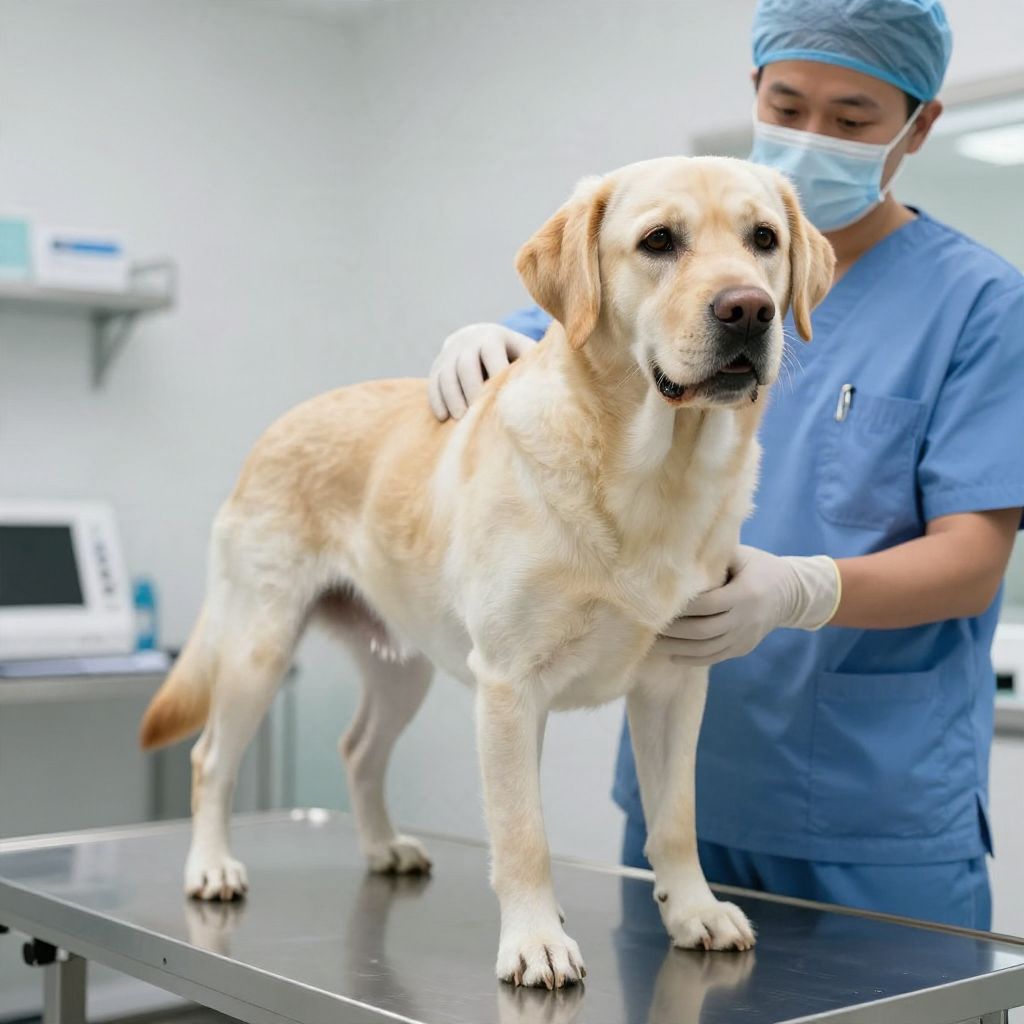
Can you spay a dog in heat? Yes, in many cases a veterinarian can still perform the surgery, but it may be more technically challenging and sometimes more expensive because the reproductive tissues are more blood-filled. Whether it’s the right choice depends on your dog’s health, timing, and your vet’s recommendation.
If your dog is in heat now, the safest next step is to call your veterinarian. They can explain the risks, help you decide whether to proceed, and tell you how to keep your dog comfortable and protected until surgery or until the cycle ends.
Can you spay a dog in heat?
Yes, a dog can often be spayed while in heat, but the procedure may carry a higher risk of bleeding and a slightly longer surgery time. Some veterinarians recommend waiting until the heat cycle ends, while others may advise spaying during heat if the benefits outweigh the risks for your dog.
Why spaying during heat can be more complicated
When a female dog is in heat, hormones increase blood flow to the reproductive tract. That makes the ovaries and uterus more vascular, which can increase surgical difficulty.
This does not automatically mean the surgery is unsafe. It does mean the veterinarian may need extra care during the operation and may discuss a different timing plan with you.
What your vet may consider
- Your dog’s age and overall health
- Whether she has had previous heat cycles
- Her size and body condition
- Any history of anemia, bleeding issues, or other medical concerns
- How urgent it is to prevent another pregnancy
When a vet may recommend waiting
In many routine cases, a vet may suggest postponing spay surgery until after the heat cycle ends. Waiting can make the procedure easier and may reduce bleeding risk.
This is especially common if your dog is stable, not at immediate risk of pregnancy, and there is no medical reason to operate right away.
Possible reasons to delay
- To reduce surgical complexity
- To allow hormone-related swelling to settle
- To make recovery planning simpler
- To avoid operating during peak reproductive blood flow
When spaying during heat may still be chosen
Sometimes spaying during heat is the practical or safest option. This may happen if a dog is likely to be exposed to an intact male, if scheduling delays are long, or if the vet feels the benefits of immediate surgery outweigh the added surgical challenge.
Each case is individual, so the decision should be made with a veterinarian who knows your dog’s history and current condition.
How to tell if your dog is in heat
Signs of heat can vary from dog to dog, and some dogs show only subtle changes. Common signs include vaginal bleeding or discharge, swollen vulva, frequent urination, restlessness, and increased interest from male dogs.
Behavior may also change. Some dogs become clingier, more distracted, or more likely to try to escape.
Common signs to watch for
- Swollen vulva
- Bloody or straw-colored discharge
- More frequent urination
- Tail flagging or standing differently around male dogs
- Escape attempts or increased roaming
- Changes in appetite or mood
What to do if your dog is in heat and not yet spayed
Until you speak with your vet, focus on strict management. A dog in heat can attract males from far away, and even a brief lapse in supervision can lead to an unplanned pregnancy.
- Keep her indoors or closely supervised outside.
- Use a leash for every potty break.
- Avoid dog parks, daycare, and off-leash play.
- Block access to doors, gates, and fences she could slip through.
- Separate her from intact male dogs in the home.
- Call your vet to discuss spay timing.
Does being in heat affect recovery?
Recovery after a spay can be a little more demanding if surgery is done during heat, because the procedure may be more involved. Your vet may give you specific instructions based on what they find during surgery.
Typical recovery care still matters just as much: rest, incision monitoring, and preventing licking or jumping.
General recovery priorities
- Keep your dog calm and quiet
- Use an e-collar or recovery suit if recommended
- Check the incision daily for redness, swelling, or discharge
- Limit running, jumping, and rough play
- Follow all discharge instructions from your vet
Risks and warning signs you should not ignore
Most dogs do well with spay surgery, but you should treat certain symptoms as urgent. If your dog is already in heat and seems unwell, do not assume the signs are “normal heat” without veterinary advice.
Seek urgent veterinary care right away if you notice heavy bleeding, pale gums, collapse, severe lethargy, trouble breathing, a swollen painful abdomen, vomiting repeatedly, or signs of severe pain.
Also call your vet promptly if you notice
- Foul-smelling discharge
- Fever or marked weakness
- Refusal to eat for more than a short period
- Incision bleeding after surgery
- Persistent straining or unusual behavior
Common mistakes to avoid
When a dog is in heat, it’s easy to underestimate how determined she may be to find a mate. The biggest preventable mistake is assuming a fenced yard or a quick outdoor break is enough.
- Do not let her outside unsupervised.
- Do not rely on a screen door, weak latch, or low fence.
- Do not take her to places with unknown dogs.
- Do not give medications or home remedies unless your vet approves them.
- Do not delay calling the vet if you’re unsure about timing.
What about age, breed, and size?
There is no one-size-fits-all answer. Younger, smaller, or very healthy dogs may tolerate surgery differently than older dogs, larger dogs, or dogs with medical conditions.
Breed can matter indirectly through body size, anatomy, and common health risks, but individual variation is just as important. Your vet will weigh your dog’s unique needs rather than making decisions based on breed alone.
Questions to ask your veterinarian
If you’re deciding whether to spay now or wait, a few clear questions can help you feel more confident.
- Is it safe to spay my dog while she is in heat?
- Would you recommend waiting, and why?
- Are there extra surgical risks for my dog?
- How should I manage her until surgery?
- What signs after surgery should make me call you immediately?
How to keep your dog safe until the appointment
If surgery is scheduled for later, your main job is preventing pregnancy and reducing stress. Keep her separated from intact males, keep outings short and controlled, and stick to a predictable routine.
Some dogs become more anxious or restless during heat, so extra enrichment at home can help. Food puzzles, calm sniffing games, and gentle leash walks are often better choices than intense exercise.
Bottom line
Yes, you can often spay a dog in heat, but the surgery may be more complex and your vet may recommend waiting depending on your dog’s situation. The safest move is to call your veterinarian, ask about timing, and keep your dog strictly supervised until you have a plan.
If you want more help managing the cycle itself, you may also find what to do when your dog is in heat useful, along with how long a dog bleeds when in heat.