
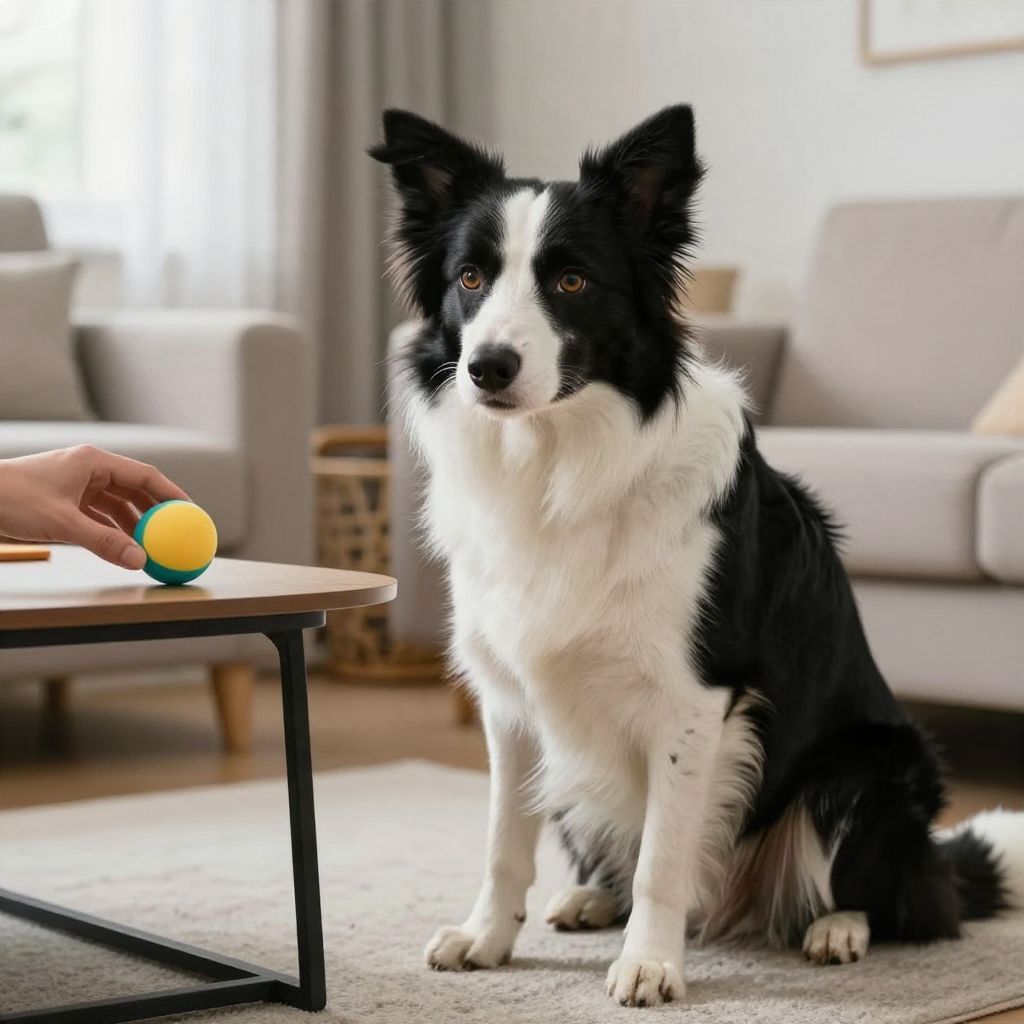
Do dogs have object permanence? In simple terms, yes—dogs can understand that something still exists even when they can’t see it, hear it, or smell it right away. That ability is part of how they search for hidden toys, follow you from room to room, and remember where food or people were last seen.
But object permanence in dogs is not identical to human understanding. It develops over time, varies by individual, and can be influenced by age, training, stress, and health. Knowing what dogs can and cannot understand helps you set realistic expectations and use better enrichment and training.
Do dogs have object permanence?
Yes, dogs do have object permanence, but usually in a practical, limited way rather than the fully abstract way humans do. Most dogs learn that people, toys, treats, and other objects still exist when hidden or out of sight, especially through everyday experience and training.
What object permanence means for dogs
Object permanence is the understanding that an object continues to exist even when it is no longer visible. For dogs, this shows up when they keep looking for a ball under a couch, wait by a door after you leave, or search a room for a favorite person or toy.
How dogs show it in daily life
- They search for a toy that rolls under furniture.
- They look toward the door when you leave the house.
- They sniff out a treat you hid.
- They remember that a person or pet is somewhere nearby, even if hidden.
These behaviors suggest memory and expectation, but they do not mean every dog thinks about hidden objects the same way. Some dogs are more persistent searchers, while others lose interest quickly.
How dogs’ understanding develops
Puppies are still developing memory, attention, and problem-solving skills. As they mature, they usually become better at tracking where things go, anticipating routines, and remembering that hidden objects or people still exist.
Puppies vs. adult dogs
- Puppies may be more easily distracted and less consistent in searching.
- Adult dogs often show stronger search behavior and better memory for familiar people, places, and routines.
- Senior dogs may still have object permanence, but age-related hearing, vision, or cognitive changes can affect how clearly they use it.
Breed can influence tendencies such as persistence, scent focus, or play style, but it does not guarantee a specific level of understanding. Individual temperament and life experience matter just as much.
Signs your dog understands hidden objects
Many dogs demonstrate object permanence through search behavior, anticipation, and memory. You may notice it during play, training, or everyday routines.
- They keep sniffing or pawing where a treat was hidden.
- They look behind furniture after a toy disappears.
- They return to a location where you often place food or toys.
- They wait at a door or window after you leave.
- They track your movement through the house even when they cannot see you.
If your dog does not seem to search much, that does not automatically mean they lack object permanence. They may be tired, under-motivated, anxious, poorly sighted, or simply less interested in the item.
Why dogs may seem like they “forget”
Dogs can have object permanence and still act as if something vanished. That usually reflects attention, motivation, emotion, or sensory limits rather than a complete lack of understanding.
Common reasons include
- Distraction: competing smells, sounds, or movement can interrupt searching.
- Low motivation: the item may not be rewarding enough to keep pursuing.
- Stress or anxiety: a worried dog may stop exploring.
- Vision or hearing changes: older dogs may have trouble tracking objects or people.
- Inconsistent training history: some dogs have had fewer chances to practice search games.
If your dog suddenly seems confused, disoriented, or less responsive than usual, especially if this is new, contact your veterinarian. Sudden behavior changes can sometimes signal pain, sensory loss, or a medical problem.
How to build object permanence through safe games
You can strengthen your dog’s search skills with simple, reward-based activities. Keep sessions short, positive, and easy enough that your dog succeeds often.
- Start with a visible treat or toy.
- Partly hide it behind your hand or a towel.
- Let your dog watch as you place it under a cup or behind a chair leg.
- Reward calm searching and finding.
- Gradually make the hiding spots a little harder.
Use soft toys, kibble, or safe treats. Avoid small objects that could be swallowed, especially for puppies or dogs that chew and gulp.
Good enrichment ideas
- Snuffle mats
- Food puzzles
- Hide-and-seek with you or a family member
- “Find it” games with treats around the room
- Short scent trails using kibble or treats
These games support mental stimulation and confidence while giving your dog a safe outlet for natural searching behavior.
Safety tips when playing hide-and-seek
Search games are usually safe, but they should be matched to your dog’s age, size, and health. A dog with mobility issues, poor vision, or anxiety may need gentler versions of the game.
- Choose a quiet area with no stairs or hazards.
- Use large, safe items that cannot be swallowed.
- Keep sessions brief if your dog gets overstimulated.
- Stop if your dog seems frustrated, tired, or worried.
- Supervise puppies closely so they do not chew or ingest game pieces.
If your dog becomes frantic when you hide, start with easier versions and build confidence slowly. The goal is fun, not stress.
Object permanence and separation-related behavior
Some dogs become upset when you leave, but that does not mean they lack object permanence. In fact, many dogs clearly know you are gone and may search for you because they remember your presence and routine.
If your dog panics when left alone, destroys doors or windows, vocalizes excessively, or cannot settle, the issue may be separation anxiety or another separation-related problem. This is not a training failure you should punish away.
What helps
- Gradual alone-time practice at a pace your dog can handle.
- A predictable departure routine.
- Safe enrichment before you leave, if it helps your dog relax.
- Veterinary or behavior professional support for severe cases.
Severe distress, self-injury, repeated escape attempts, or panic should be assessed by a veterinarian or qualified veterinary behaviorist.
When object permanence may be affected by health
Most dogs with normal health can learn and use object permanence. However, medical issues can change how well they track hidden objects or people.
Watch for these red flags
- Sudden confusion or disorientation
- Bumping into furniture or walls
- Not responding to familiar cues
- New anxiety in familiar places
- Changes in appetite, sleep, or activity along with behavior changes
These signs can be linked to vision loss, hearing loss, pain, neurological disease, or canine cognitive dysfunction in older dogs. A veterinary exam is the right next step rather than guessing at the cause.
Common mistakes owners make
When people ask, “Do dogs have object permanence?” they sometimes assume a dog’s behavior means stubbornness or disobedience. In reality, the problem is often that the task is too hard, the reward is too low, or the dog is distracted.
- Making hiding games too difficult too soon.
- Using punishment when the dog stops searching.
- Expecting every dog to learn at the same pace.
- Ignoring signs of fear, fatigue, or sensory decline.
- Using unsafe objects that can be swallowed or broken.
Reward-based training is more effective and safer than intimidation. It also helps your dog stay engaged and confident.
When to ask a professional for help
Most questions about object permanence are normal and can be addressed with simple enrichment and training. Professional help is wise if you notice behavior changes that seem sudden, severe, or distressing.
Contact your veterinarian if your dog:
- Suddenly seems confused or disoriented
- Has trouble navigating familiar spaces
- Shows new anxiety when you leave
- Has signs of pain, illness, or sensory loss
Consider a certified trainer or veterinary behaviorist if your dog’s search behavior turns into panic, frustration, or destructive separation distress. Early help usually leads to better outcomes.
Bottom line
Yes, dogs have object permanence, but their understanding is practical rather than human-like. They can learn that hidden people, toys, and treats still exist, and you can strengthen that skill with safe, reward-based games. If your dog’s behavior changes suddenly or seems tied to fear, pain, or confusion, get veterinary advice promptly.
If you want to keep learning about how dogs think and remember, you may also find do dogs think and do dogs remember people helpful.