
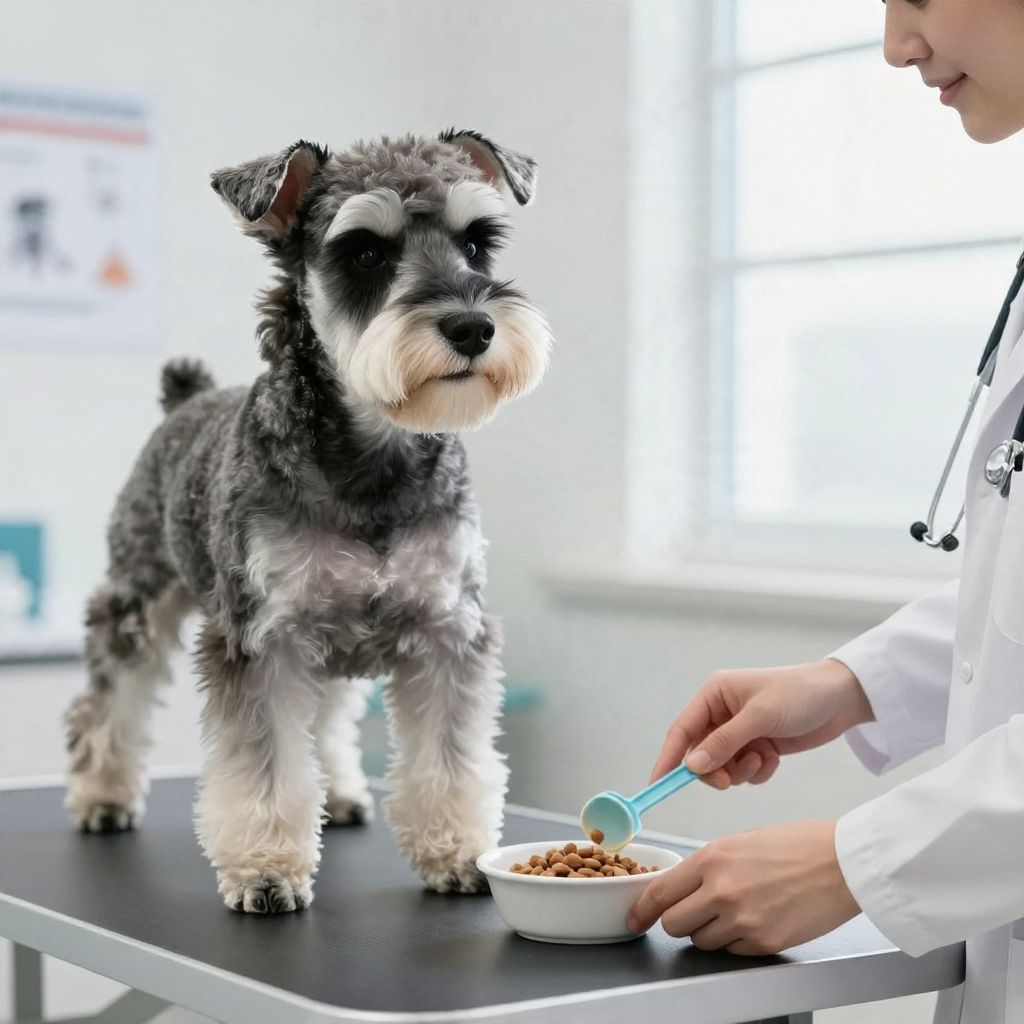
How do dogs get pancreatitis? It usually happens when the pancreas becomes inflamed after a trigger such as a very fatty meal, repeated dietary indiscretion, obesity, certain medications, or another illness. Some dogs develop it suddenly, while others have recurring flare-ups.
This condition can be painful and can become serious quickly. If your dog is vomiting, weak, refusing food, or seems hunched and uncomfortable, contact your veterinarian promptly.
How do dogs get pancreatitis?
Dogs get pancreatitis when the pancreas becomes inflamed, often after eating rich or fatty food, scavenging garbage, or experiencing another health problem that stresses the body. Some dogs are more prone than others, but any dog can be affected. The exact trigger is not always found, so veterinary evaluation matters.
What the pancreas does and why inflammation matters
The pancreas helps digest food and regulate blood sugar. When it becomes inflamed, digestive enzymes can irritate the pancreas and nearby tissues, causing pain, vomiting, and dehydration. In severe cases, pancreatitis can affect other organs and become an emergency.
Common ways pancreatitis starts
- Fatty meals or sudden access to rich table scraps
- Garbage raiding or eating spoiled food
- Dietary changes that are too abrupt for a sensitive dog
- Obesity, which can increase risk in some dogs
- Other illnesses such as endocrine or metabolic disease
- Certain medications or medical treatments, depending on the dog
- Unknown causes, which are common enough that “no obvious trigger” does not rule it out
Which dogs are more at risk?
Any dog can get pancreatitis, but risk can vary with age, body condition, diet habits, and medical history. Some dogs seem more sensitive to rich foods than others, and prior pancreatitis can make future flare-ups more likely. Your veterinarian can help assess your dog’s individual risk.
Factors that may raise risk
- Being overweight or gaining weight easily
- A history of eating fatty leftovers or getting into trash
- Previous pancreatitis episodes
- Underlying hormone or metabolic disease
- Older age in some dogs, though younger dogs can also be affected
Breed tendencies can exist, but they are not guarantees. A breed may be discussed as “more prone” in general, yet individual diet, health, and lifestyle still matter more than breed alone.
Signs of pancreatitis in dogs
Pancreatitis can look like a stomach bug at first, but the pain and dehydration can become significant. Mild cases may be subtle, while severe cases can escalate fast. If you notice a combination of digestive upset and discomfort, don’t wait it out.
- Vomiting, sometimes repeated
- Loss of appetite or refusing treats
- Diarrhea
- Abdominal pain or a hunched posture
- Restlessness or reluctance to move
- Weakness, lethargy, or trembling
- Dehydration
Emergency warning signs
Seek urgent veterinary care right away if your dog has repeated vomiting, collapse, severe weakness, a swollen or painful belly, trouble breathing, pale gums, or cannot keep water down. These signs can indicate a serious illness, not just mild digestive upset.
Why fatty foods are such a common trigger
Rich foods can overwhelm a dog’s digestive system and may contribute to pancreatic inflammation. This is why pancreatitis is often seen after holidays, parties, or any time dogs get into greasy scraps. Even a dog that “usually handles” table food may react badly after one high-fat meal.
Foods and situations that can be risky
- Greasy meats and skin
- Fat trimmings
- Butter, cream, and rich sauces
- Fried foods
- Large amounts of table scraps
- Trash, compost, or spoiled leftovers
This does not mean every dog will get pancreatitis from a single bite of rich food, but it does mean you should avoid making fatty people food a habit. A balanced dog food is safer and more reliable than “just a little” leftover indulgence.
What to do if you think your dog has pancreatitis
If your dog shows possible signs, call your veterinarian for guidance. They may recommend an exam, blood tests, imaging, and supportive care based on how sick your dog appears. Do not try to diagnose the problem at home, because vomiting and diarrhea can come from many causes.
- Stop offering rich treats or table scraps.
- Keep fresh water available unless your vet says otherwise.
- Monitor for worsening vomiting, pain, or weakness.
- Contact your veterinarian the same day if signs are ongoing.
- Go to urgent care immediately for emergency warning signs.
Do not give human medications unless your veterinarian specifically instructs you to do so. Some common medicines can be unsafe for dogs or can make the situation worse.
How veterinarians diagnose pancreatitis
Diagnosis is usually based on your dog’s symptoms, physical exam, and test results. Your veterinarian may also want to rule out other causes of vomiting, abdominal pain, or lethargy, because many illnesses can look similar.
Common veterinary tools
- Physical examination and pain assessment
- Bloodwork to check hydration and organ function
- Pancreas-specific testing when appropriate
- Imaging such as X-rays or ultrasound
- Review of diet, recent scavenging, and medication history
How pancreatitis is usually managed
Treatment depends on severity, but the goal is to control pain, reduce vomiting, support hydration, and help the pancreas rest. Some dogs need outpatient care, while others need hospitalization for fluids and close monitoring.
- Fluid support to correct dehydration
- Pain control prescribed by a veterinarian
- Anti-nausea care when needed
- Careful nutrition planning as advised by your vet
- Hospitalization for severe cases
Do not force-feed a dog that is vomiting or in pain unless your veterinarian tells you to. Feeding plans should be tailored to the individual dog and the stage of illness.
Can pancreatitis be prevented?
You cannot prevent every case, but you can lower risk by managing diet and avoiding access to high-fat foods. Prevention is especially important if your dog has had pancreatitis before, because recurrence can happen.
Practical prevention tips
- Feed a consistent, balanced diet
- Avoid fatty table scraps and greasy leftovers
- Keep trash, compost, and counters secured
- Introduce any new food gradually
- Maintain a healthy body weight
- Follow your veterinarian’s feeding advice if your dog is high-risk
If your dog is a known trash diver or counter surfer, management matters as much as training. Use lidded bins, secure food storage, and supervision during meals and gatherings.
What to feed after a pancreatitis episode
Your veterinarian may recommend a temporary or long-term diet change depending on the cause and your dog’s recovery. The right plan varies with your dog’s age, body condition, and whether the problem is a one-time event or recurring disease.
In general, many dogs recover best on a diet that is easier to digest and lower in fat, but the specific food should come from your veterinarian’s recommendation. Avoid experimenting with home-cooked meals unless a veterinary professional designs the recipe.
When recurring vomiting means more than an upset stomach
Repeated vomiting, diarrhea, or belly pain should not be dismissed as “something they ate,” especially if your dog is tired, not eating, or seems uncomfortable. Pancreatitis is one possible cause, but so are intestinal blockage, infection, toxin exposure, and other urgent problems.
If you want to learn more about related digestive warning signs, see what diarrhea in dogs can mean. If your dog may have eaten something dangerous, you should also review what to do if a dog eats chocolate.
Bottom line
Dogs get pancreatitis most often from fatty foods, garbage, dietary indiscretion, or other health factors that inflame the pancreas. Because the signs can range from mild to life-threatening, contact your veterinarian quickly if your dog is vomiting, painful, or refusing food. Fast care gives your dog the best chance to recover safely.