
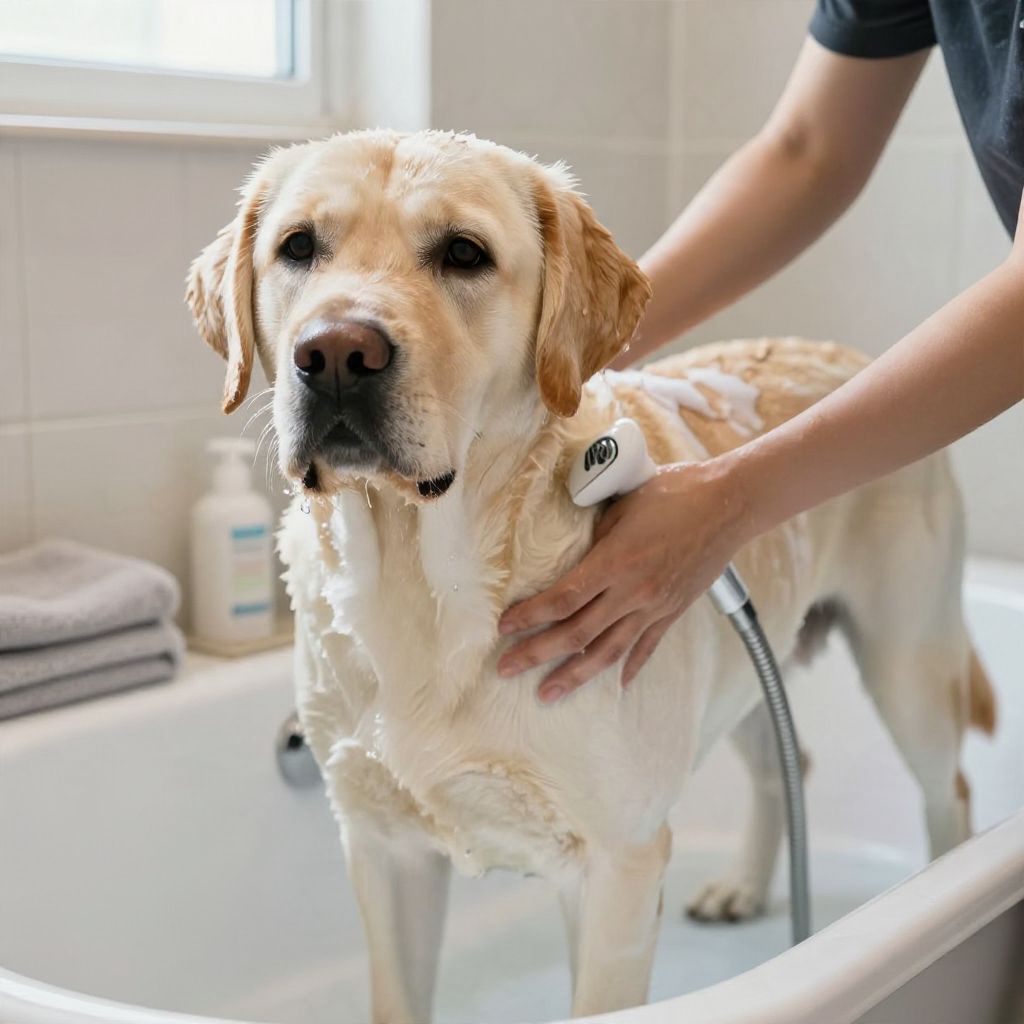
If you’re wondering how often should I wash my dog, the short answer is: it depends on your dog’s coat, skin, lifestyle, and health. Most dogs do best with bathing every few weeks to every few months, but some need more frequent washes and others need less.
The goal is to keep your dog clean without stripping the skin of natural oils. Overbathing can cause dryness and itching, while underbathing can lead to odor, dirt buildup, and skin problems.
How Often Should I Wash My Dog?
Most healthy dogs only need a bath when they are dirty, smelly, or have gotten into something messy. Many dogs do well with bathing about once a month, while some short-haired or low-odor dogs can go longer. Dogs with skin conditions, heavy coats, or active outdoor lifestyles may need a different schedule.
What Affects Bathing Frequency?
There is no single schedule that fits every dog. The right answer depends on several factors that change how quickly your dog gets dirty or develops skin irritation.
Coat type
- Short coats often need less frequent bathing unless they roll in dirt or develop odor.
- Long, thick, or double coats may trap debris and benefit from more regular grooming and occasional baths.
- Curly or woolly coats can mat if they are not brushed, so bathing plans should match the grooming routine.
- Hairless or very sensitive coats may need special care and gentler products.
Activity level and environment
- Dogs that swim, hike, dig, or spend lots of time outdoors may need baths more often.
- Indoor dogs with limited exposure to dirt may stay clean longer.
- Dogs that live in dusty, muddy, or humid areas may need more frequent grooming attention.
Skin and health
- Dogs with allergies, seborrhea, yeast issues, or other skin problems may need a vet-guided bathing plan.
- Some dogs have dry or sensitive skin and do better with fewer baths and mild shampoo.
- Older dogs may need help staying clean if they have mobility issues or trouble grooming themselves.
Age and temperament
- Puppies usually do not need frequent full baths unless they get very dirty.
- Young dogs may need time to learn that bathing is safe and calm.
- Anxious or fearful dogs may need a slower, gentler approach rather than more frequent washing.
Signs Your Dog Needs a Bath
You do not need to bathe on a strict calendar if your dog still looks and smells clean. A bath is usually a good idea when you notice one or more of these signs:
- Noticeable odor that brushing does not fix
- Visible dirt, mud, or sticky residue on the coat
- Greasy or dull fur
- Itching related to surface dirt or buildup
- Your dog has rolled in something unpleasant
- Coat feels tacky or dusty
If the smell is strong, persistent, or comes with redness, hair loss, or scratching, a bath alone may not solve the problem. Those signs can point to a skin or ear issue that should be checked by a veterinarian.
Can You Wash a Dog Too Often?
Yes. Bathing too often can remove the natural oils that protect your dog’s skin and coat. That can lead to dryness, flaking, itching, or a dull coat. Some dogs also become stressed if baths are frequent and unpleasant.
If your dog needs to be cleaned often because of allergies, skin disease, or a messy lifestyle, ask your veterinarian which shampoo and schedule are appropriate. The right product matters as much as the timing.
How to Bathe Your Dog Safely
A calm, well-prepared bath is usually easier for both you and your dog. Keep the process simple and consistent.
- Brush your dog first to remove tangles, loose hair, and mats.
- Use lukewarm water, not hot water.
- Choose a dog-safe shampoo unless your veterinarian recommends a medicated product.
- Wet the coat thoroughly, then lather gently.
- Avoid getting shampoo in the eyes, ears, and mouth.
- Rinse very well so no residue remains on the skin.
- Towel dry and, if needed, use a pet-safe dryer on a low, comfortable setting.
Important: Human shampoos are usually not ideal for dogs because they can irritate canine skin. If your dog has a medical skin condition, follow your vet’s product instructions rather than guessing.
Breed and Coat Differences to Keep in Mind
Breed can influence grooming needs, but it does not determine them completely. Two dogs of the same breed may need very different bathing schedules depending on coat condition, activity, and skin health.
Dogs that may need more grooming attention
- Long-coated dogs that tangle easily
- Dogs with dense undercoats that trap dirt and loose hair
- Dogs with oily coats or strong natural odor
- Dogs that spend a lot of time outdoors or in water
Dogs that may need fewer baths
- Short-coated dogs that stay relatively clean
- Dogs with dry or sensitive skin
- Dogs that are mostly indoors and brushed regularly
Even if a dog does not need frequent baths, regular brushing, nail trims, ear checks, and coat inspections still matter. Grooming is about overall skin and coat health, not just washing.
What About Puppies?
Puppies can be bathed, but they usually do not need frequent full baths unless they get dirty. Their skin can be delicate, so gentle handling and mild products are important.
- Keep baths brief and calm.
- Dry them thoroughly so they do not get chilled.
- Use puppy-safe or vet-approved shampoo if needed.
- Do not overdo bathing just to make them “smell nice.”
If a puppy is very young, sick, or struggling to stay warm, ask your veterinarian before bathing.
What About Senior Dogs?
Older dogs may need extra help because of arthritis, reduced mobility, or skin changes. Some senior dogs benefit from more frequent spot cleaning and less frequent full baths if standing in the tub is uncomfortable.
- Use non-slip footing in the bathing area.
- Keep sessions short.
- Dry joints and skin folds carefully.
- Watch for lumps, sores, or skin changes while grooming.
If bathing seems painful or stressful for your senior dog, talk with your veterinarian or a professional groomer about safer options.
When Bathing Problems Mean You Should Call the Vet
Sometimes the issue is not how often you wash your dog, but why your dog is getting dirty, smelly, or itchy in the first place. Contact a veterinarian if you notice:
- Persistent odor that returns quickly after bathing
- Red, inflamed, or painful skin
- Hair loss, scabs, or open sores
- Frequent scratching, licking, or biting at the skin
- Ear discharge or head shaking along with odor
- Sudden coat changes or greasy buildup
Seek urgent veterinary care if your dog has swelling, trouble breathing, collapse, severe lethargy, or a reaction after a bath such as facial swelling, vomiting, or hives. Those signs can indicate an emergency.
Common Mistakes to Avoid
- Bathing too often without a reason
- Using harsh human products on your dog
- Not rinsing shampoo out completely
- Skipping brushing before the bath
- Bathing over mats instead of removing them first
- Ignoring skin problems and assuming dirt is the only cause of odor
Simple Rule of Thumb
If you still feel unsure about how often should I wash my dog, start with your dog’s cleanliness and skin comfort. Bathe only when needed, then adjust based on coat type, lifestyle, and any vet guidance. A clean, comfortable dog is the goal, not a fixed calendar date.
If you want to compare bathing schedules in more detail, you may also find how often you should wash your dog and how often you should bathe a dog helpful for related grooming guidance.